Catalog E · Miscellanea · Special Feature · Book of Note
Crossing the Andes by Balloon
Bradley and Zuloaga, in three books
On June 24, 1916, Eduardo Bradley and Ángel María Zuloaga lifted off from Santiago, Chile, in the balloon “Eduardo Newbery” and came down at Uspallata, in Mendoza Province, Argentina: the first aerial crossing of the Andes. They reached 8,100 meters, a figure certified by the balloon’s barograph, which had been sealed by Chilean officials before takeoff. The balloon’s name was itself a tribute: Eduardo Newbery had died in 1906 attempting an earlier crossing, and the flight was framed explicitly as an homage to him and to his brother Jorge Newbery, the father of Argentine aviation, who had died in a flying accident in 1914 and whom Bradley revered.
Training for the Andes, 1915
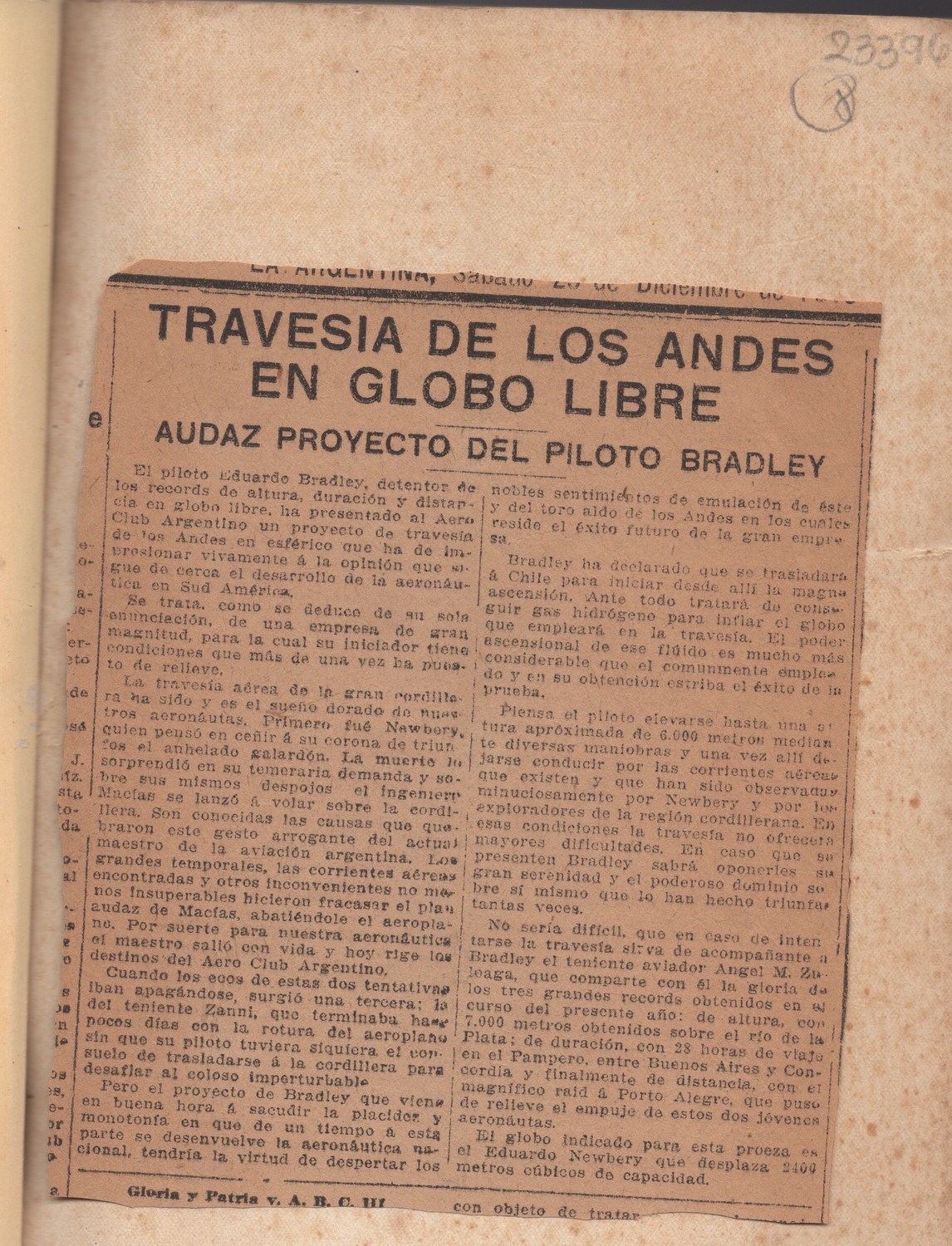
Bradley and Zuloaga had spent the previous year setting themselves up for the attempt. Over 1915 they took the South American records for altitude (reaching just over 7,000 meters), duration (28 hours aloft), and distance, flying the same balloon across the border into Brazil. Zuloaga’s own later accounts of that year differ on some particulars, among them which city anchored the distance flight; this feature follows the figures given in Zuloaga’s books rather than reconcile them. What is consistent across every account is that the 1915 flights were explicitly framed, at the time, as training for the Andes.

In Chile the 1916 crossing was celebrated as a joint achievement. Bradley himself credited the Aero Club de Chile and its meteorological institute for their assistance, and cast the flight as something that united, rather than divided, the two countries on either side of the cordillera. The Chilean government later decorated Bradley and Zuloaga with its Medalla al Mérito, First Class, a plate of which appears bound into the Travesía volume.
Two Books, Two Vantage Points
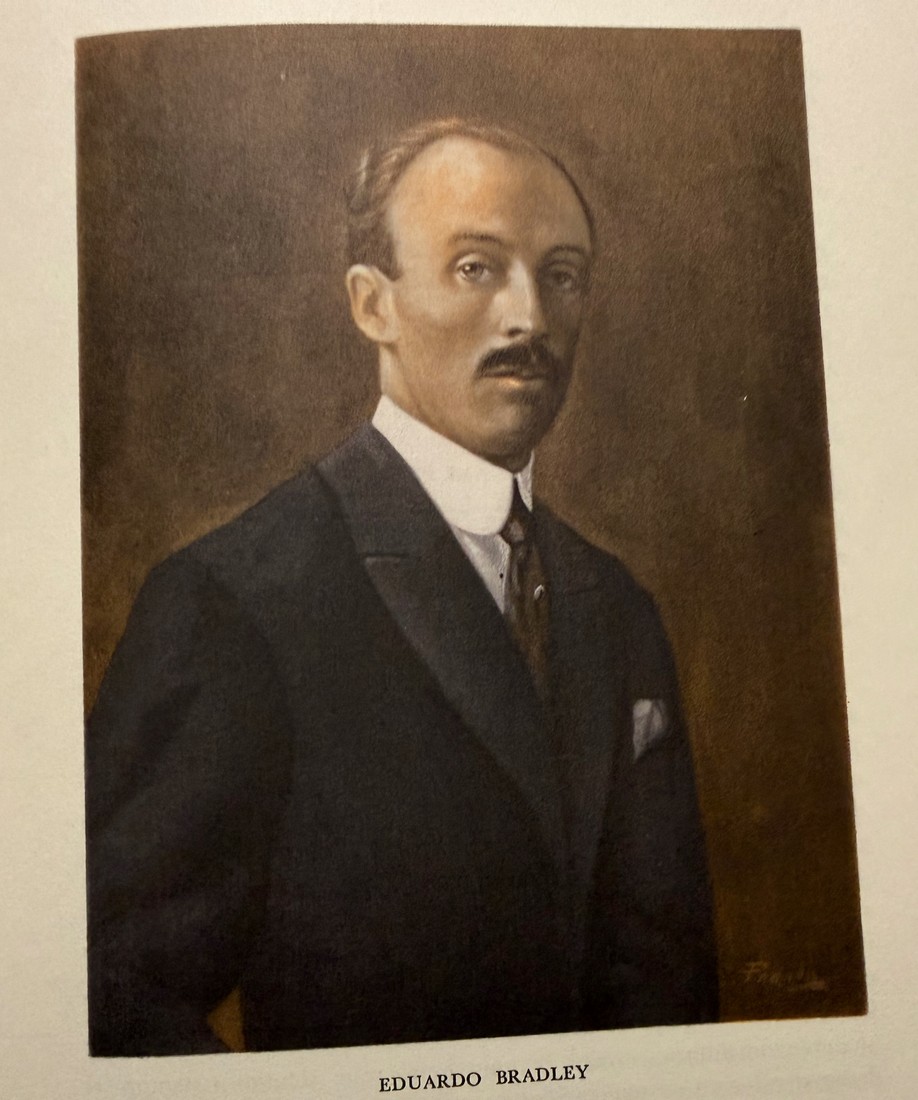
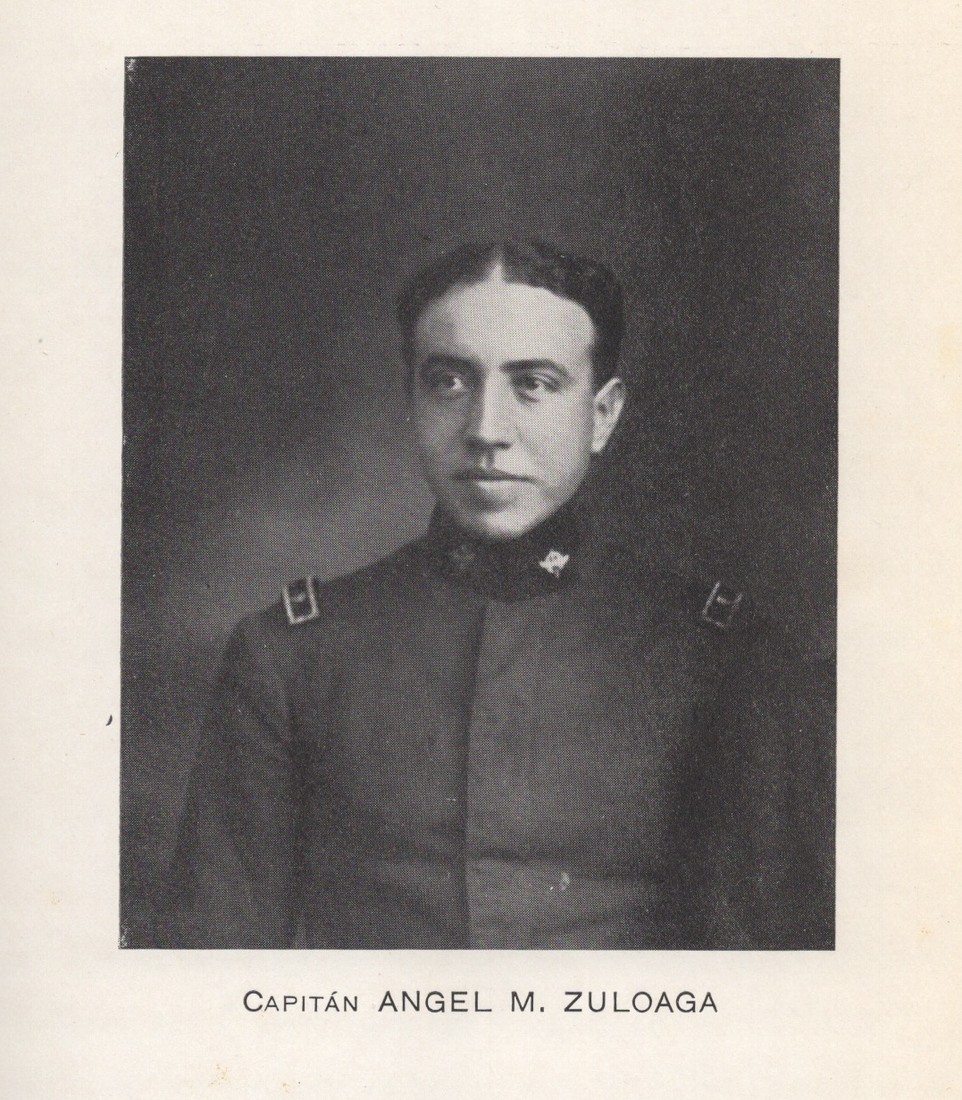
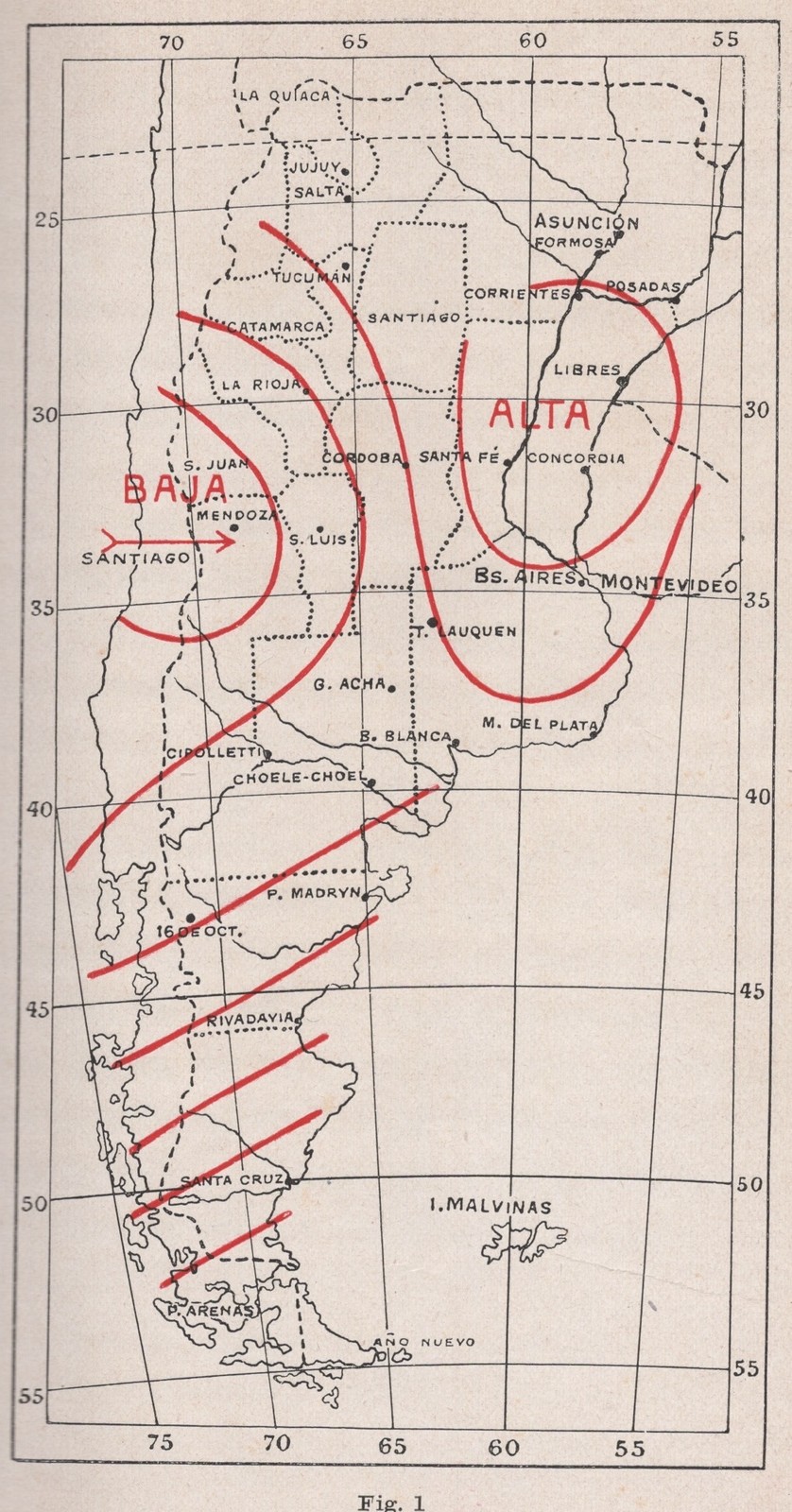
Bradley wrote his account the year after the flight, and it reads like one: La Travesía de los Andes en Globo moves through the meteorological study, the training flights, and the technical preparation before its final chapter narrates the crossing itself, illustrated throughout with Bradley’s own diagrams, a fold-out map of the route across the cordillera, and a profile chart plotting the balloon’s altitude against the peaks it cleared. Secondary sources describe the book as extremely scarce, with no later printing or reissue ever located.
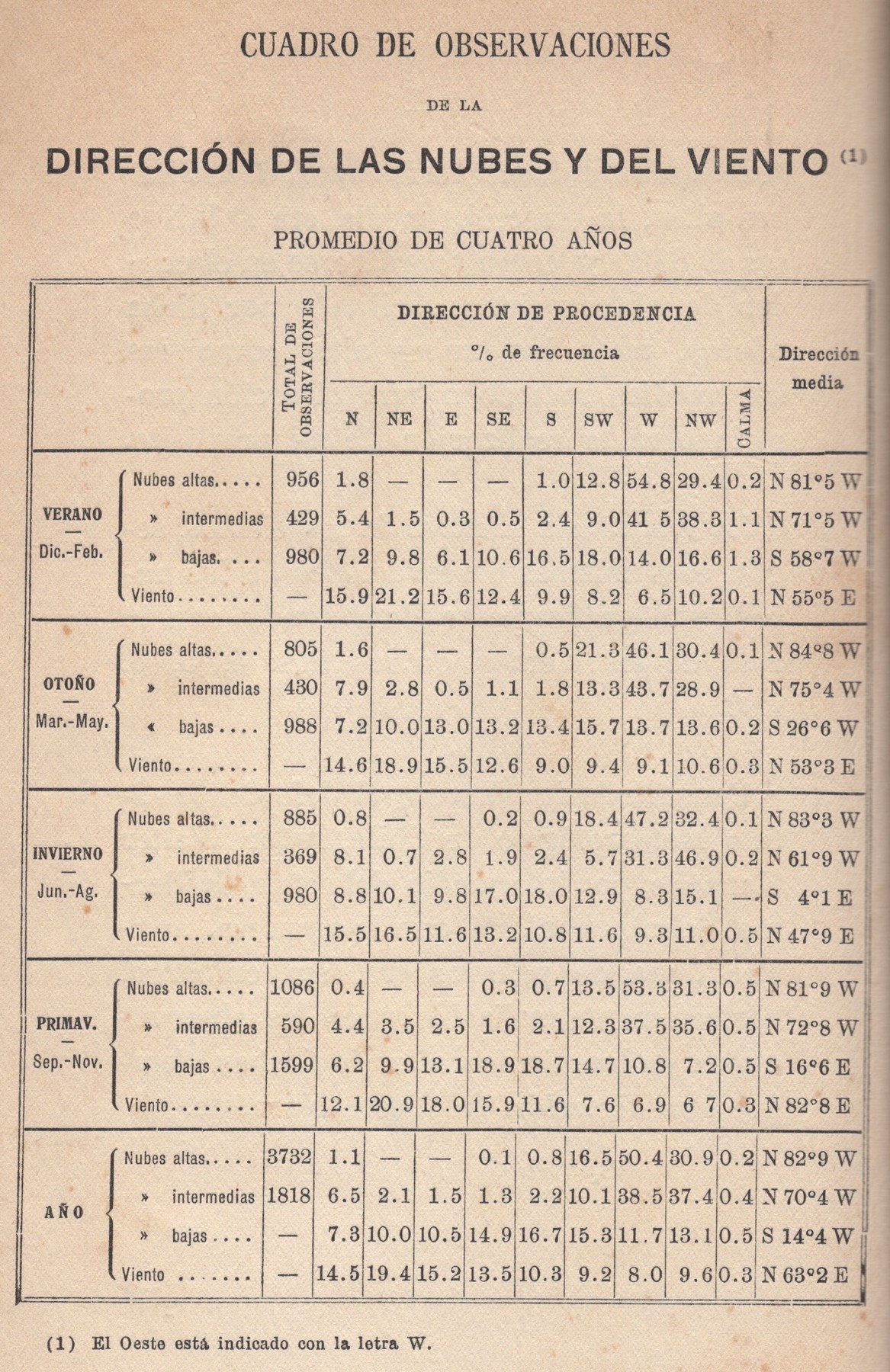
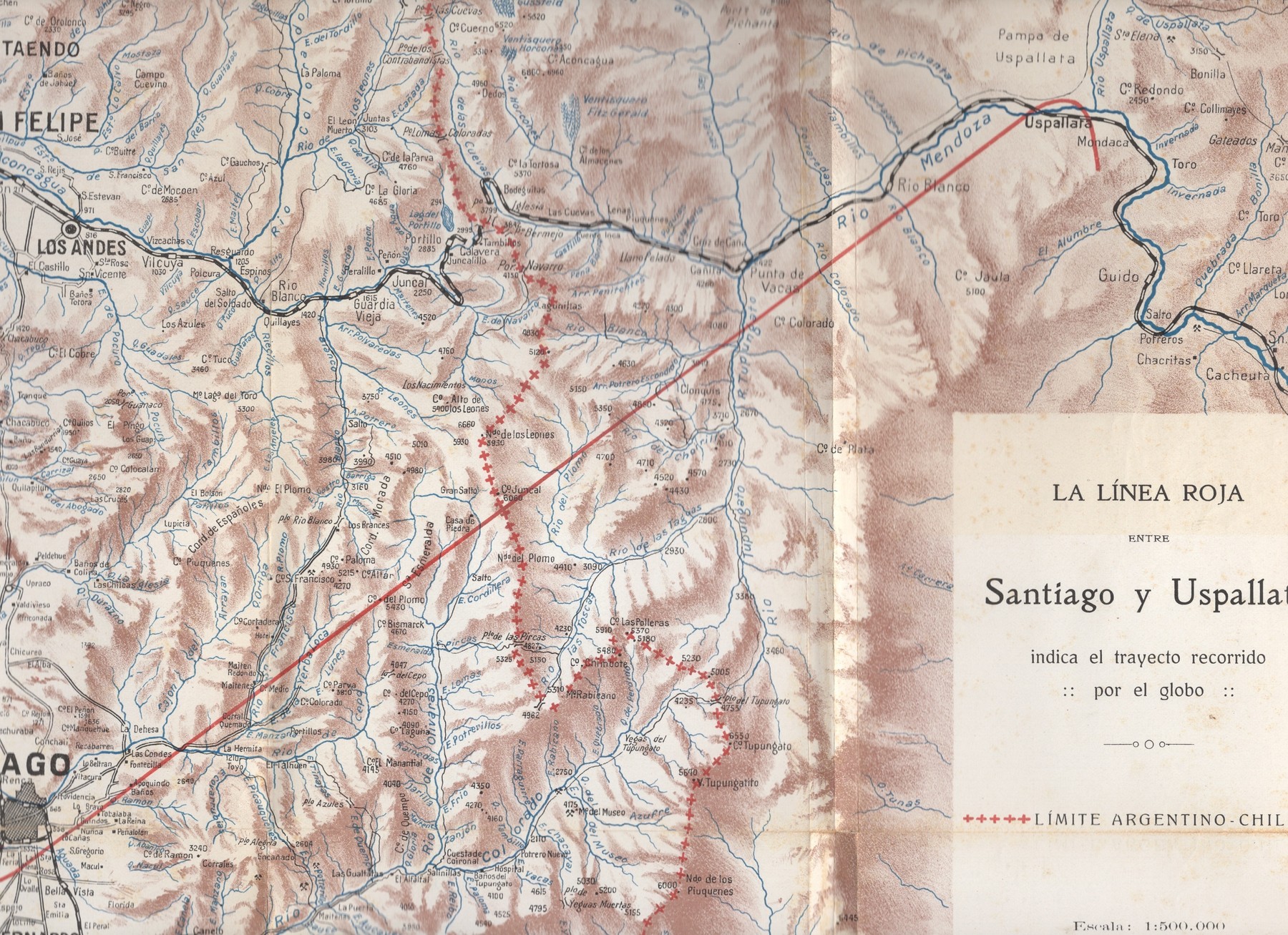
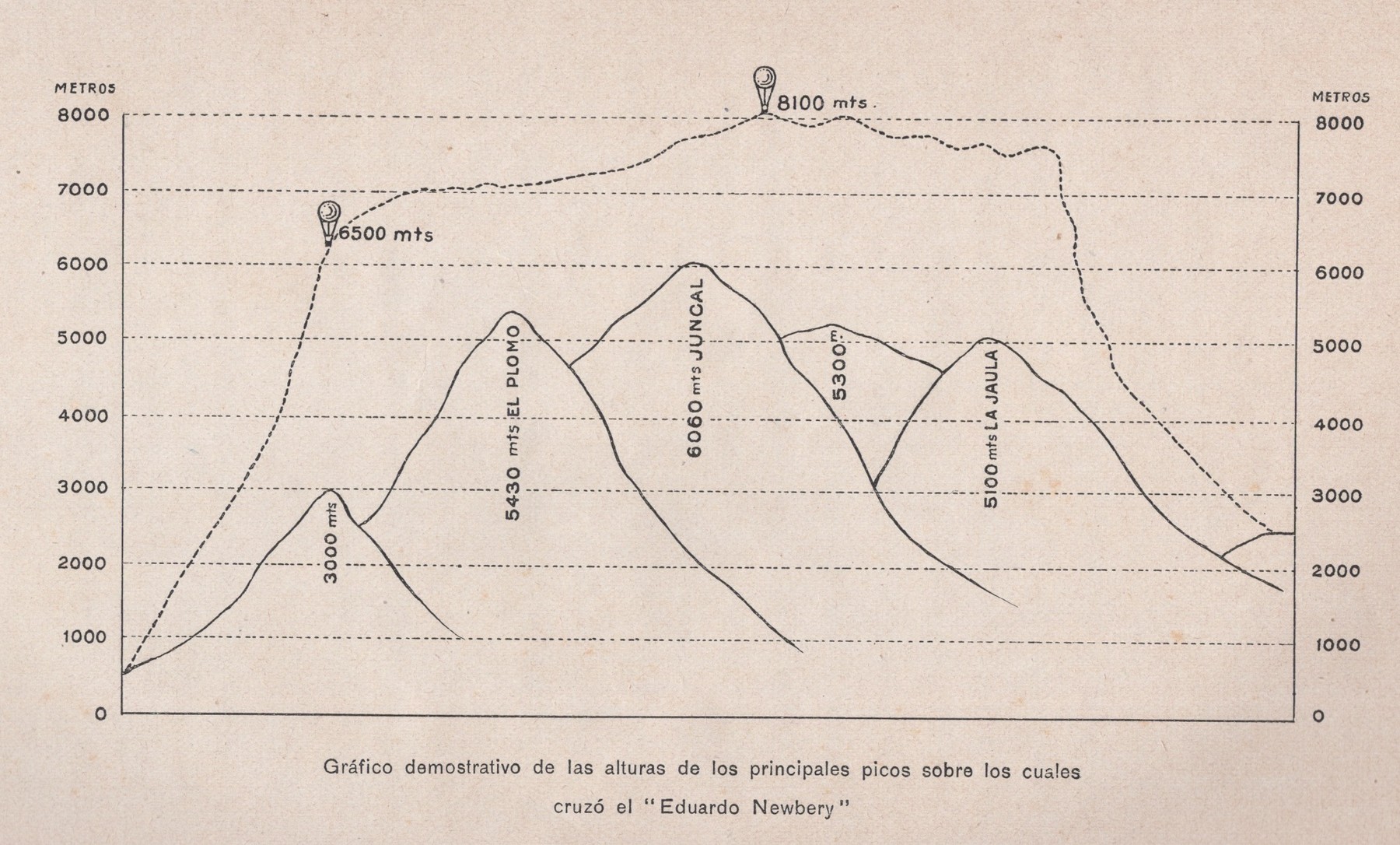
Zuloaga came to the subject three decades later and from the institutional side. La Victoria de las Alas is framed as a documented chronicle of Argentine aviation history, and its title page identifies its author by his 1948 rank, Brigadier of the Fuerza Aérea Argentina. Institutional distance falls away in the book’s own account of the Andes crossing (pp. 102–109), where Zuloaga writes in the first person, in some detail, down to the barometric readings and the shout of “Adios, cabezas duras” from the ground crew as the balloon lifted off. Bradley’s diary and Zuloaga’s chronicle turn out to tell the same flight from opposite formal registers, but both, in the end, in Zuloaga’s case at least, from the inside.
A third book carries the story further still. Líneas Aéreas y Nacimiento de la Astronáutica en la Argentina, published in 1969 under Zuloaga’s later rank of Brigadier General, retells the 1915 and 1916 flights once more as part of a longer arc running from balloon aviation into Argentina’s entry into the space age. This copy carries penciled brackets around the passage recounting the 1915 record flights, marking out the same material this feature draws on.
A Presentation Copy: Zuloaga to the Sanfuentes Family
This copy of La Victoria de las Alas carries a two-hand inscription on its half-title. The first, in Zuloaga’s own hand:
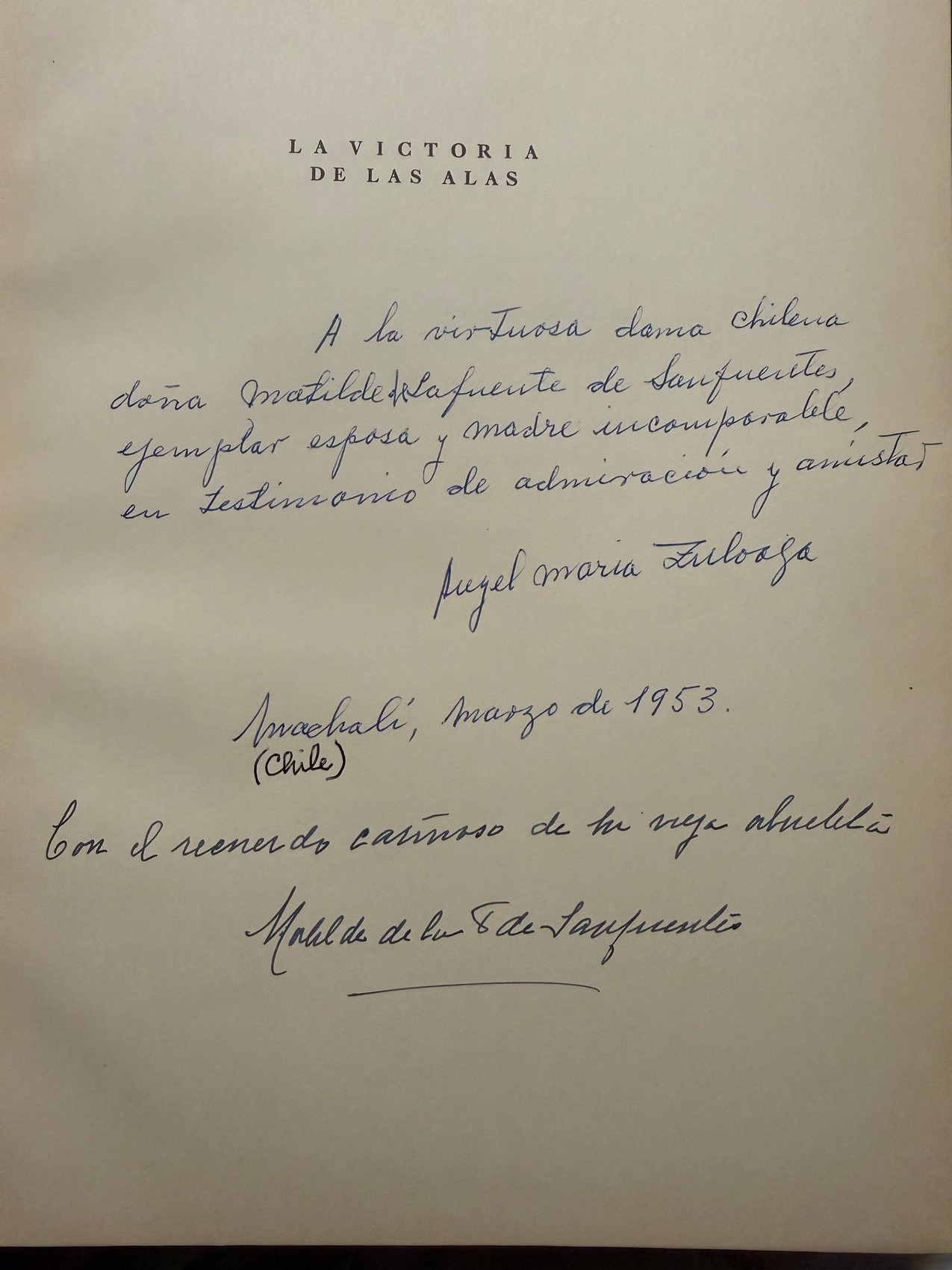
“A la virtuosa dama chilena doña Matilde de la Fuente de Sanfuentes, ejemplar esposa y madre incomparable, en testimonio de admiración y amistad. Ángel María Zuloaga. Machalí, marzo de 1953. (Chile).”
Beneath it, in a second hand, presumably Matilde’s own, gifting the book onward to a descendant:
“Con el recuerdo cariñoso de tu vieja abuelita. Matilde de la F. de Sanfuentes.”
The dedicatee, Matilde de la Fuente de Sanfuentes, belonged to the family that owned Machalí, the hacienda near Rancagua named in Zuloaga’s inscription, and it was there, as a guest on the estate, that he wrote it. Read together, the two inscriptions document something more specific than a routine presentation copy: a personal friendship between Zuloaga and the Sanfuentes family that outlasted the flight that made him famous by nearly forty years, tied to a working estate rather than a ceremonial occasion.
Bibliographic Notes
The three copies of La Travesía de los Andes en Globo in the collection are textually and physically identical, differing only in condition.
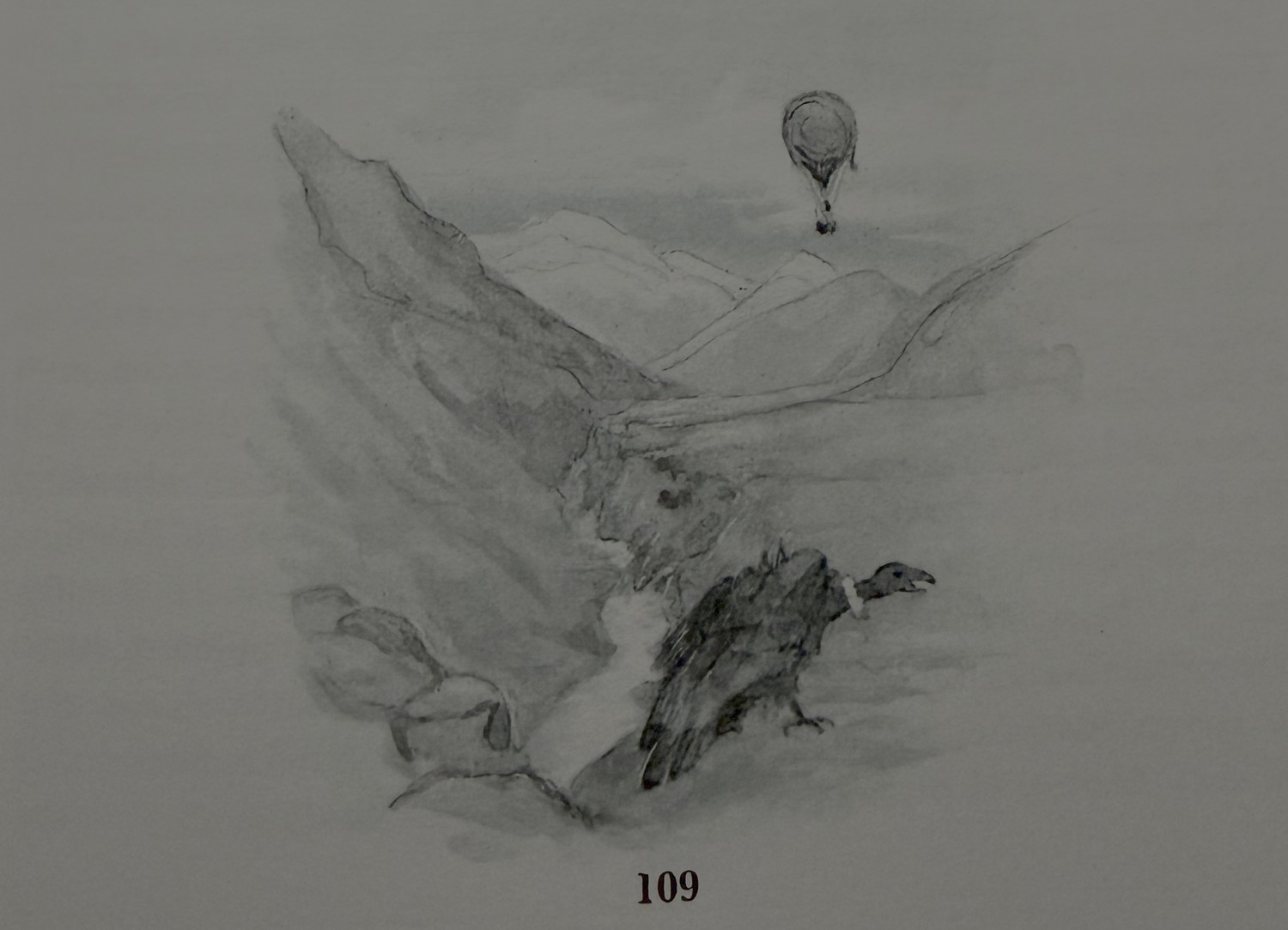
La Victoria de las Alas is printed in color throughout. The colophon leaf carries a printed vignette of a hot air balloon over clouds, signed “Rostán,” on the same leaf recording the book’s completion: “Se acabó de imprimir este libro el dia 5 de marzo de 1948.”

Líneas Aéreas closes with its own colophon, in the same convention: “Este libro se terminó de imprimir en Artes Gráficas Bartolomé U. Chiesino S.A., Ameghino 838, Avellaneda, Buenos Aires, el día 6 de marzo de 1969.” Zuloaga’s two books were finished at the printer, by his own account, a day apart on the calendar, twenty-one years apart in fact: March 5, 1948, and March 6, 1969.