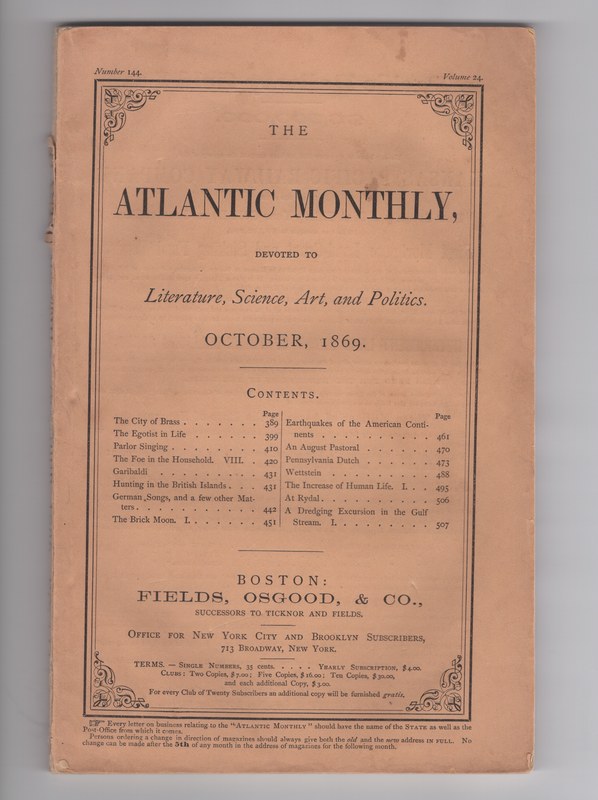
The Brick Moon.
First part of four published in The Atlantic Monthly. Fiction containing the first depiction of the launch of an artificial satellite.
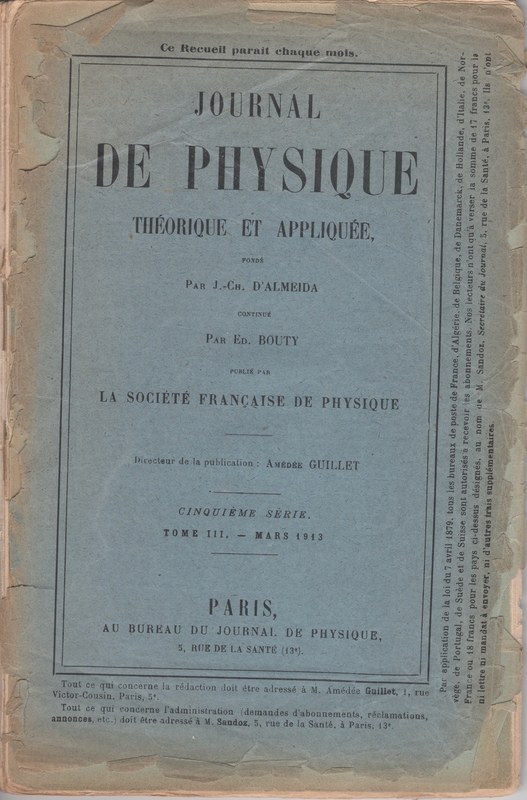
Considérations Sur Les Résultats D’un Allégement Indéfini Des Moteurs.
Published in the Journal de Physique Théorique et Appliquée, 5e série, tome III (Mars 1913). Presents the theoretical bases of self- propulsion, dismisses the notion that propulsion requires air, and develops the equations of rocket flight.
 Featured
Robert Esnault-Pelterie
›
Featured
Robert Esnault-Pelterie
›
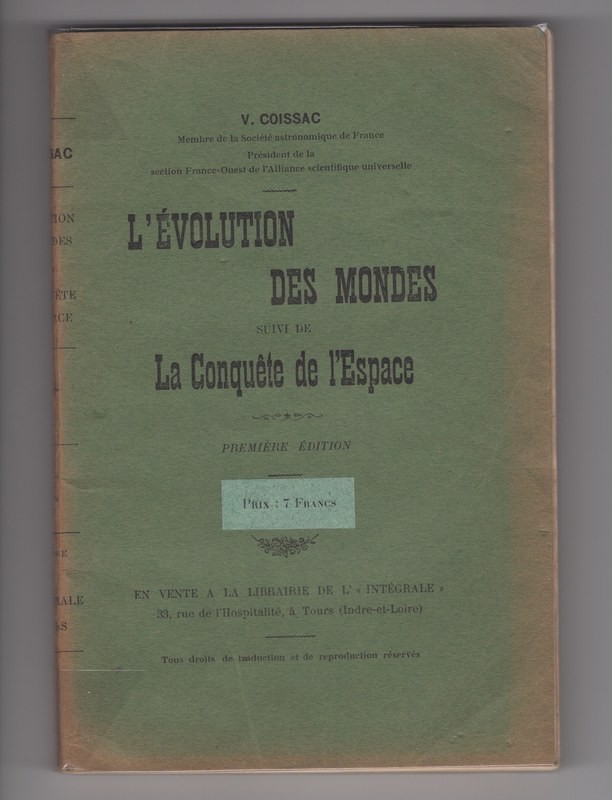
La Conquête De l’Espace.
French scientific writer. Mostly forgotten, even in France. First edition. The second edition (1925) is also available in this collection.
 Featured
Victor Coissac’s La Conquête de l’Espace
›
Featured
Victor Coissac’s La Conquête de l’Espace
›
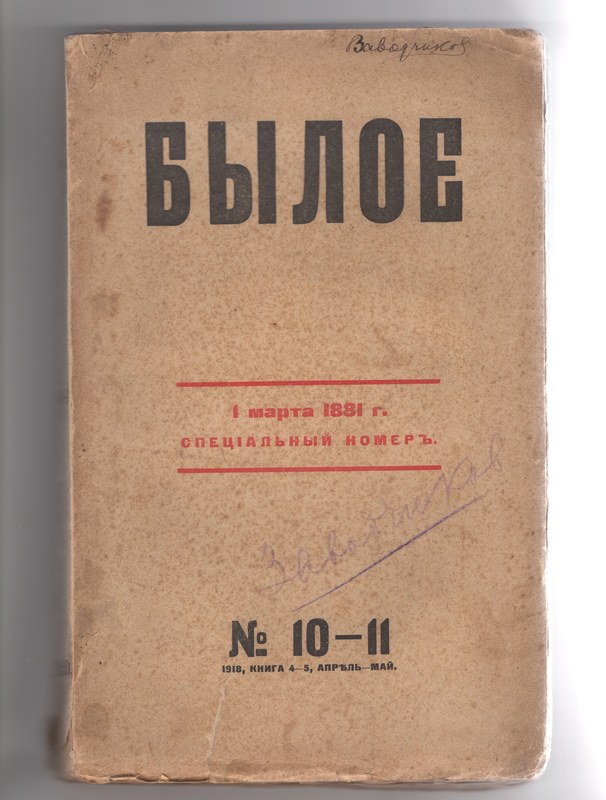
Design Of A Manned Rocket Airplane.
Kibalchich wrote his design for a manned rocket in 1881 and it was published in 1918 by Byloye magazine, years after his execution. Kibalchich’s design is on page 113, a diagram on page 118, and a critique by Nikolai Rynin on page 122. The design is also recounted in the year-end 1925 double number of Vestnik Znaniya, also in this collection.
 Featured
Nikolai Kibalchich
›
Featured
Nikolai Kibalchich
›
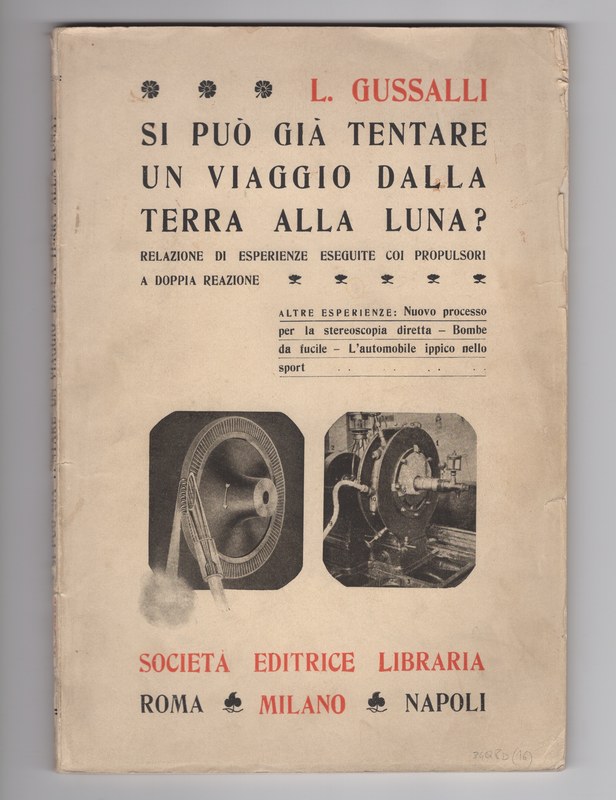
Si Può Già Tentare Un Viaggio Dalla Terra Alla Luna?
First technical work on space travel in Italian.
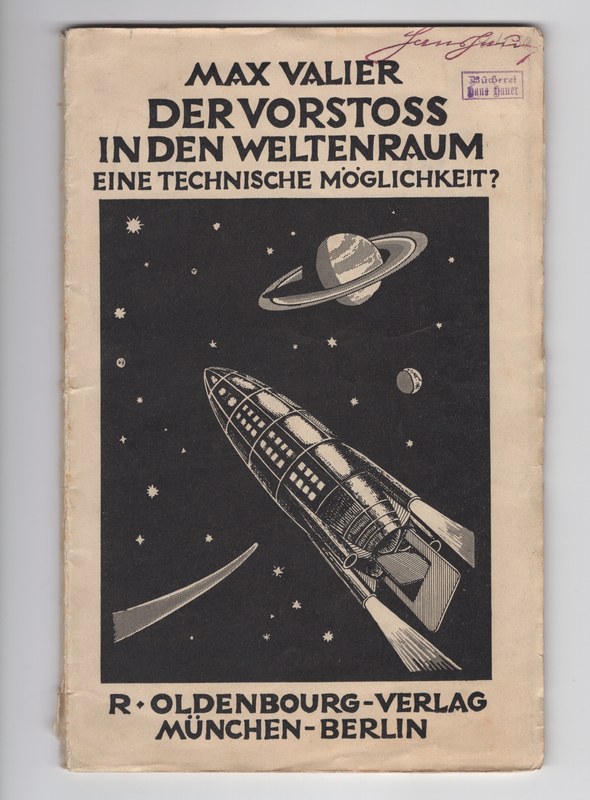
Der Vorstoß In Den Weltenraum.
Presents Oberth’s ideas to the general public. Founder of the VfR (German Society for Space Travel) which Von Braun and Oberth would join. Valier used the same title for a shorter essay reprinted in the 1926/27 bound volume of the family magazine Deutscher Hausschatz, also in this collection.
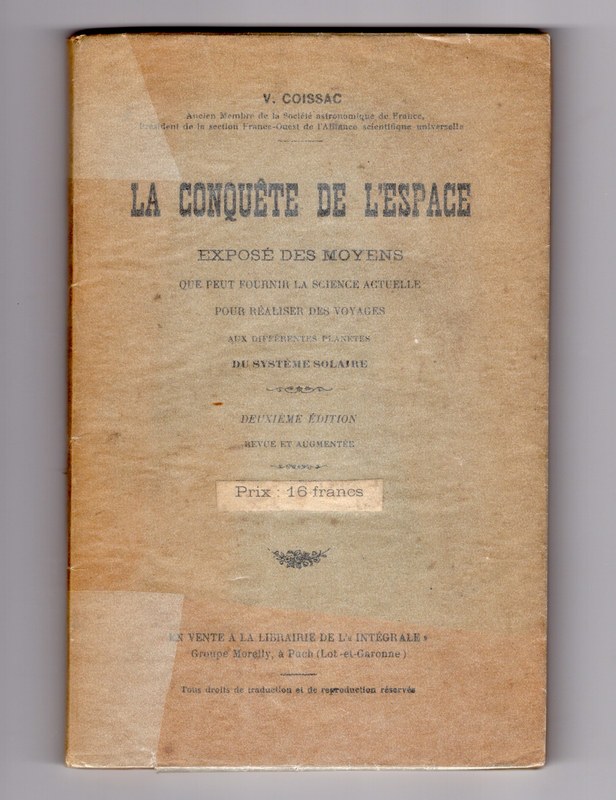
La Conquête De l’Espace.
Second revised edition. French scientific writer. Mostly forgotten, even in France. The first edition (1916) is also available in this collection.
Featured
Victor Coissac’s La Conquête de l’Espace
›

Die Erreichbarkeit Der Himmelskörper.
Development of mathematical theory of orbital mechanics. The “Hohmann Orbit” is named after him.
 Featured
Rocket Societies of the 1920s
›
Featured
Rocket Societies of the 1920s
›
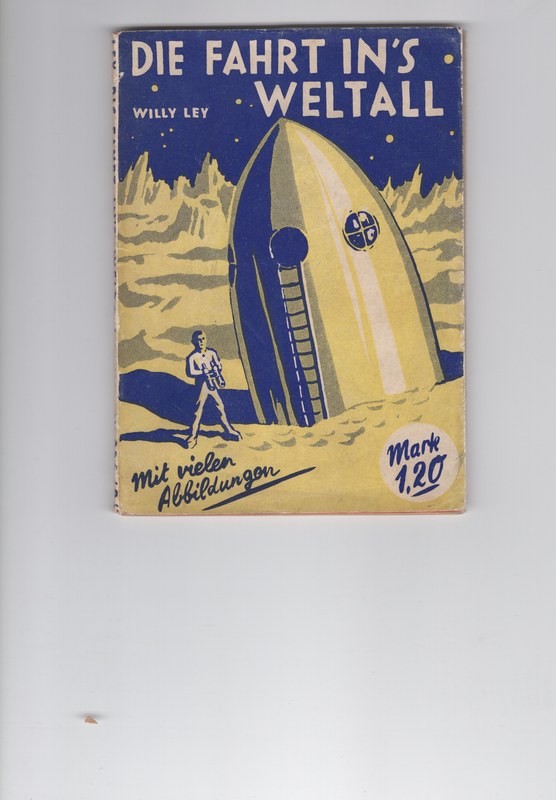
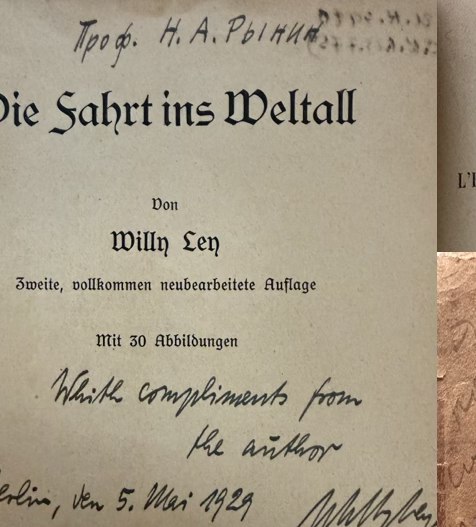
Die Fahrt Ins Weltall.
Signed by Ley and N.A. Rynin. From Rynin’s personal library. First publication by Ley, who popularized space travel and worked with Von Braun. The second edition (1929) is also available in this collection.
Featured
Rocket Societies of the 1920s
›
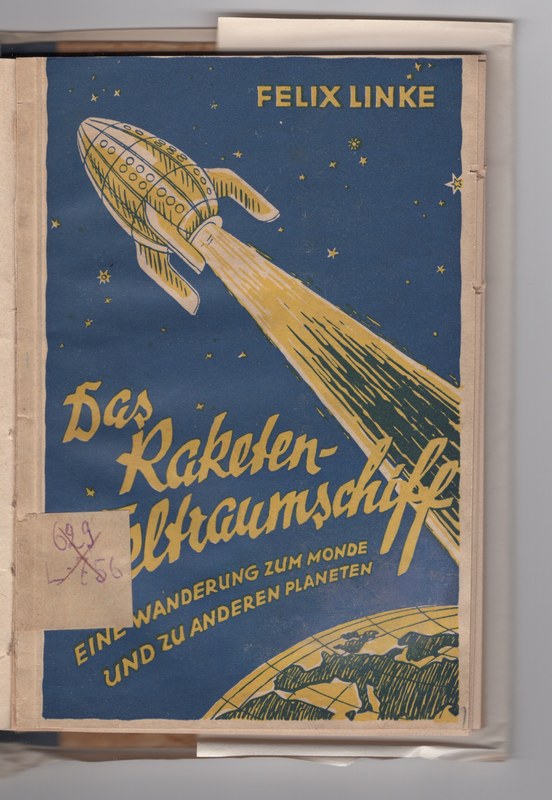
Das Raketen-Weltraumschiff.
Popular account of a trip to the Moon.

Die Möglichkeit Der Weltraumfahrt.
Collection of essays by German pioneers of the VfR (rocket society) Debus, Hohmann, Oberth. Two exemplars in the collection.

Raketenfahrt.
Pioneer of space travel. Famous for demonstrations of rocket powered cars with Opel. The Russian edition (1936) is also available in this collection.
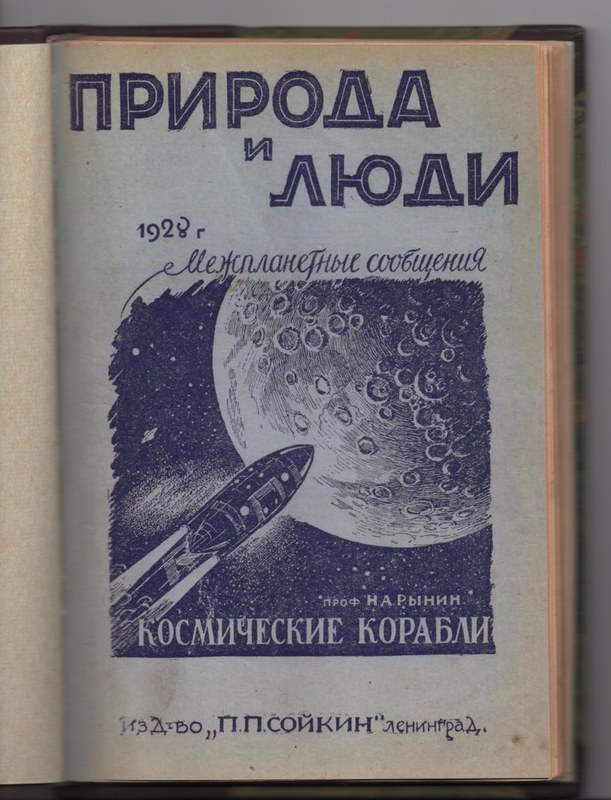
Space Ships.
First published volume (out of 9) of Rynin’s encyclopedia of spaceflight.
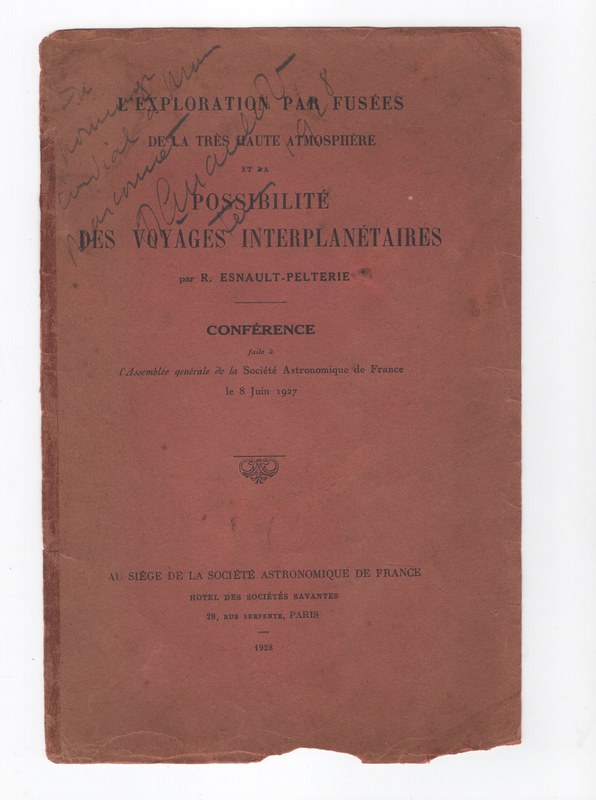
L’ Exploration Par Fusées De La Très Haute Atmosphère.
Two exemplars, one signed on the cover and has a signed note from Esnault inside. The other exemplar is signed and has the original rules of the REP-Hirsch prize in astronautics among its pages.
Featured
Robert Esnault-Pelterie
›
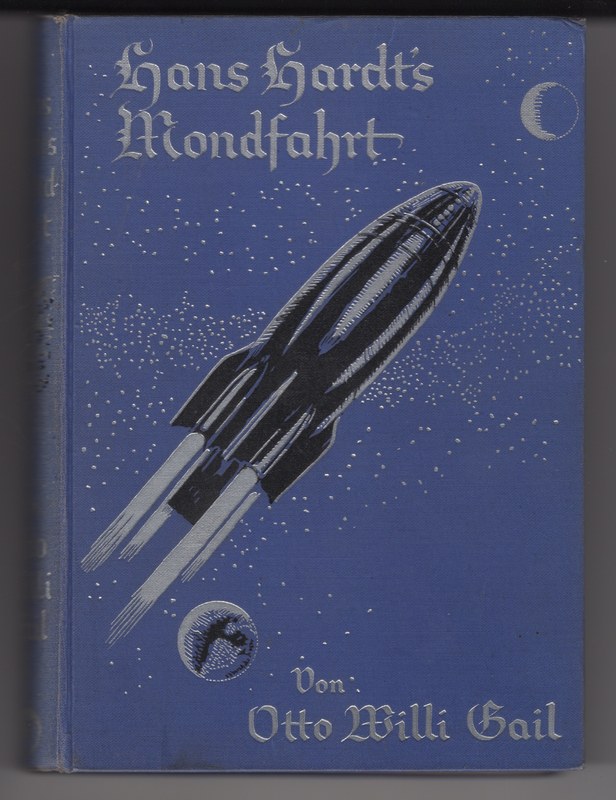
Hans Hardt’s Mondfahrt.
Eight inserted plates with illustrations. Juvenile literature, rather realistic in its description of spaceflight. The Russian edition (1930, rebound) with a preface by Iakov Perelman is also available in this collection.
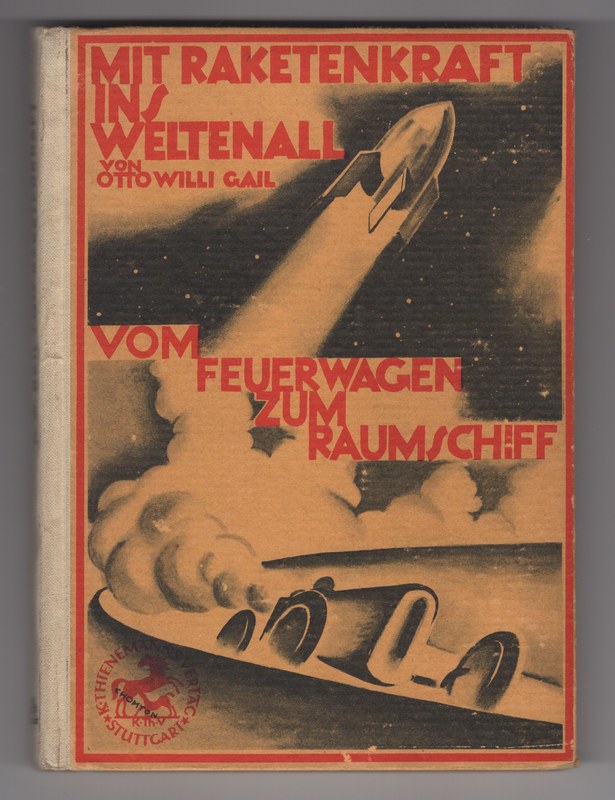
Mit Raketenkraft Ins Weltall.
Describes a rocket trip into outer space. Illustrated boards with tan cloth spine. First edition.

Das Problem Der Befahrung Des Weltraums.
First comprehensive discussion of space stations. First printing with publication year (1929) on front page.
Featured
Rocket Societies of the 1920s
›
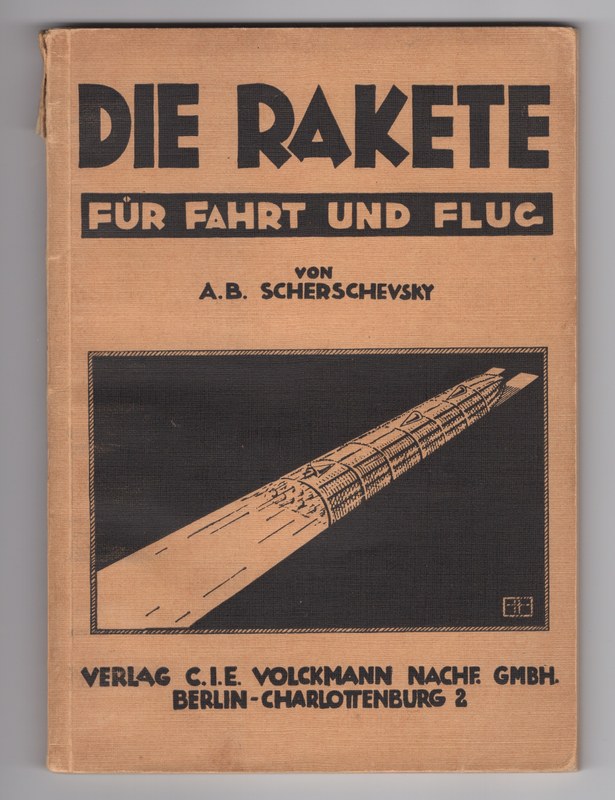
Die Rakete Für Fahrt Und Flug.
History of rocketry by one of Oberth’s assistants.
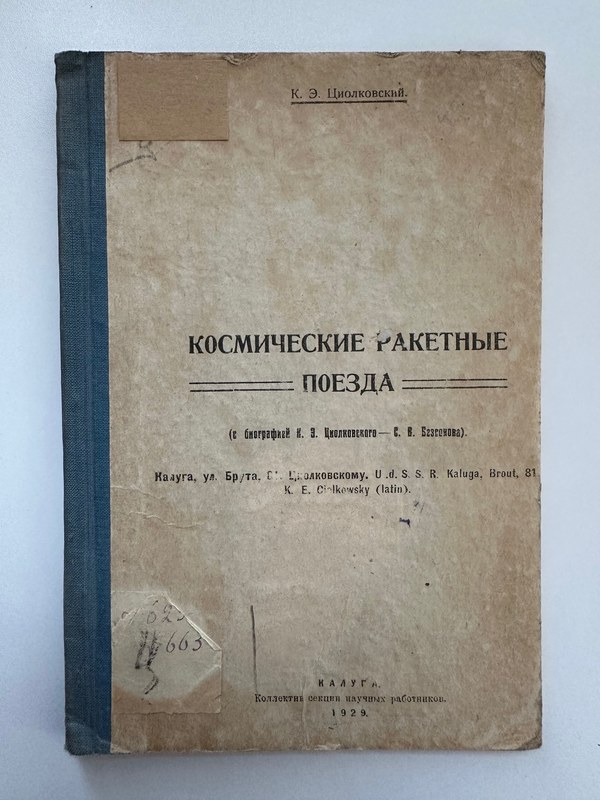
Space Rocket Trains.
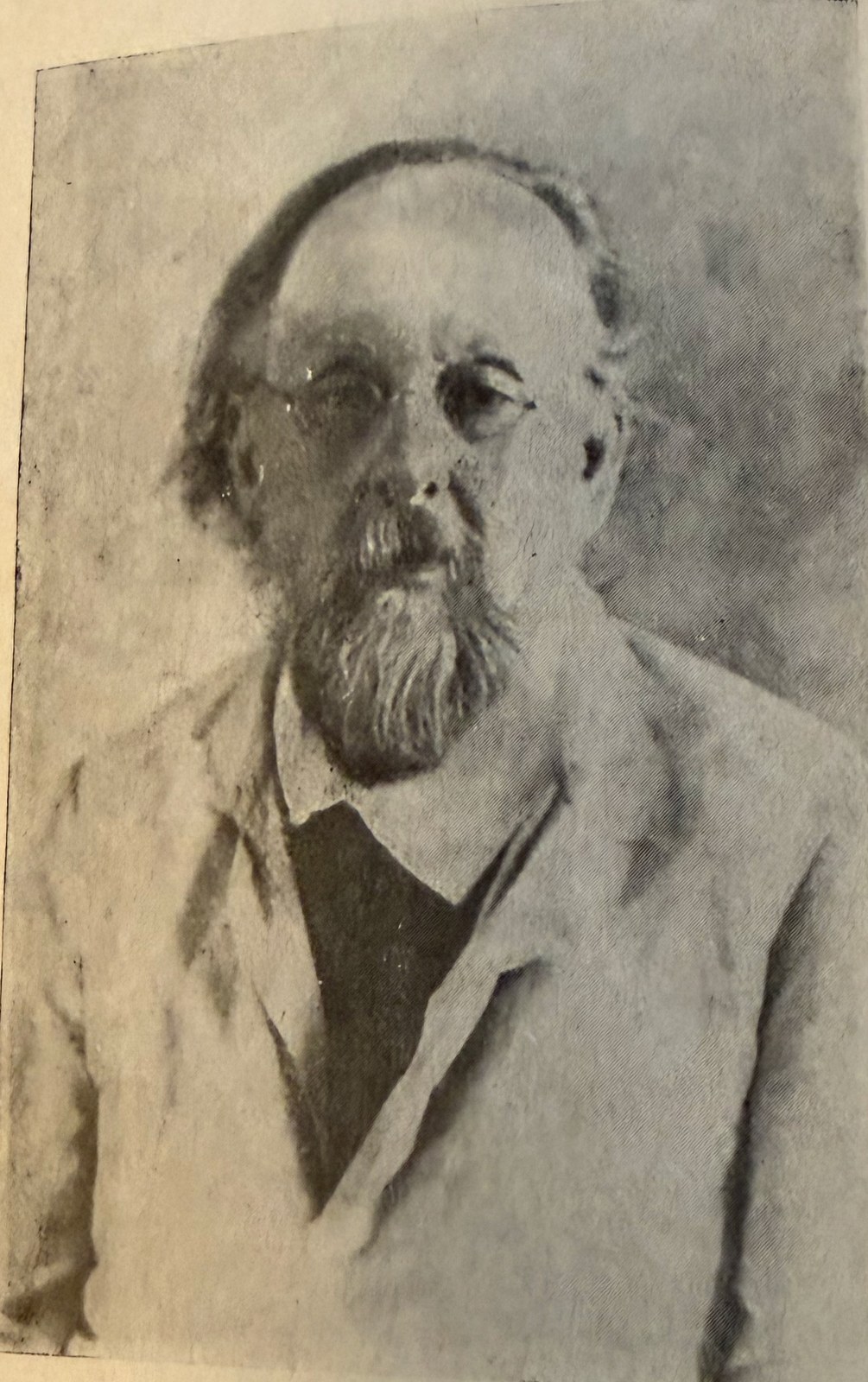
The first work Tsiolkovsky devoted entirely to the multi-stage “rocket train” concept, and the fullest mathematical exposition of his staging theory, though the underlying idea appears in his own 1911–1912 writings and Robert Goddard had already patented rocket staging in the U.S. (1914). 38 pp., portrait frontispiece, with a biographical sketch of Tsiolkovsky by S. V. Bezsonov. Print run of 2,000 copies per the colophon.
 Featured
Across Two Oceans
›
Featured
Across Two Oceans
›
 Featured
Space Rocket Trains
›
Featured
Space Rocket Trains
›

Wege Zur Raumschiffahrt.
Retitled and expanded version of Oberth’s book from 1923.
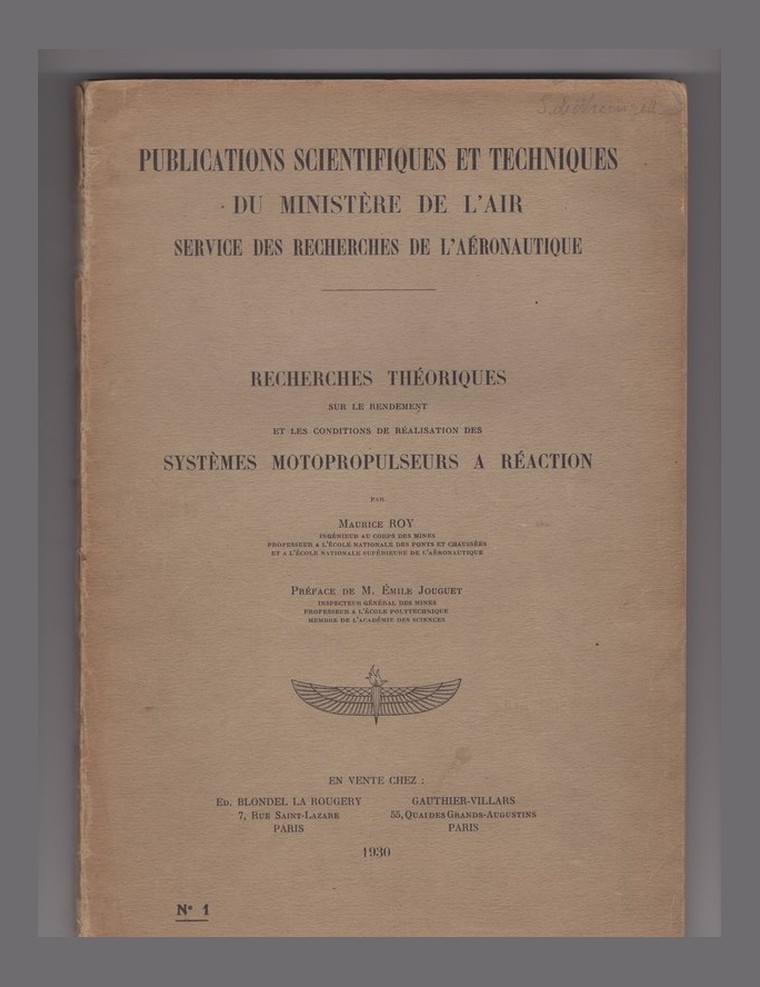
Recherches Théoriques Sur Le Rendement Et Les Conditions De Réalisation Des Systèmes Motopropulseurs A Réaction.
Description of the state of the art in rocketry, prepared for the French Air Force.
L’Astronautique.
Two exemplars. The Russian edition (1950) is also available in this collection.
Featured
Robert Esnault-Pelterie
›
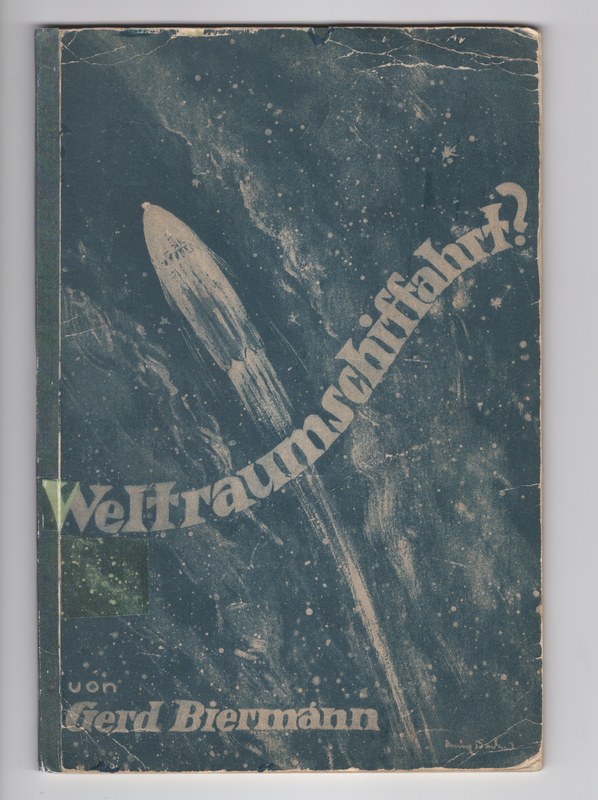
Weltraumschiffahrt?
Early history of physical and technical problems of space travel.

Gas Compressors.
Describes turbines for aviation.
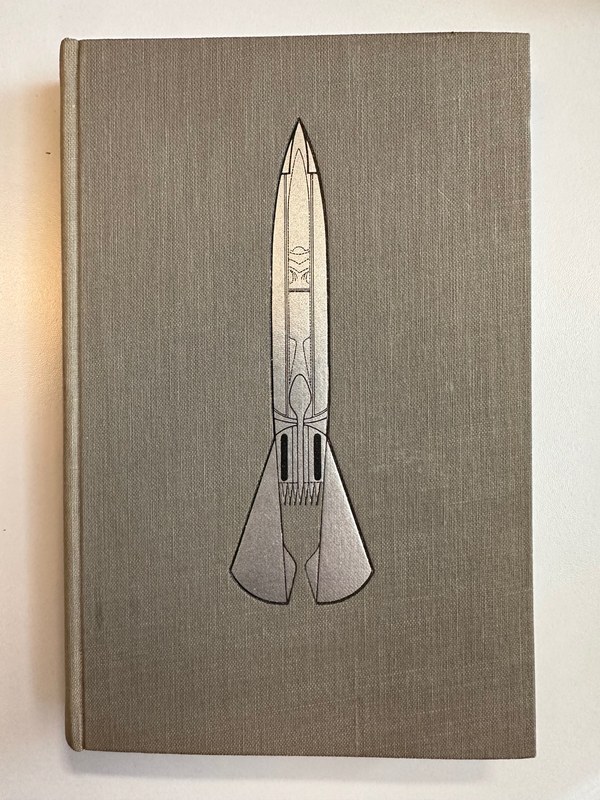
Die Rakete Als Weltfriedenstaube.
Advances the idea that long range rockets would be a weapon to render wars impossible. Undated, but assumed 1931 based on currency and historical references in the text.
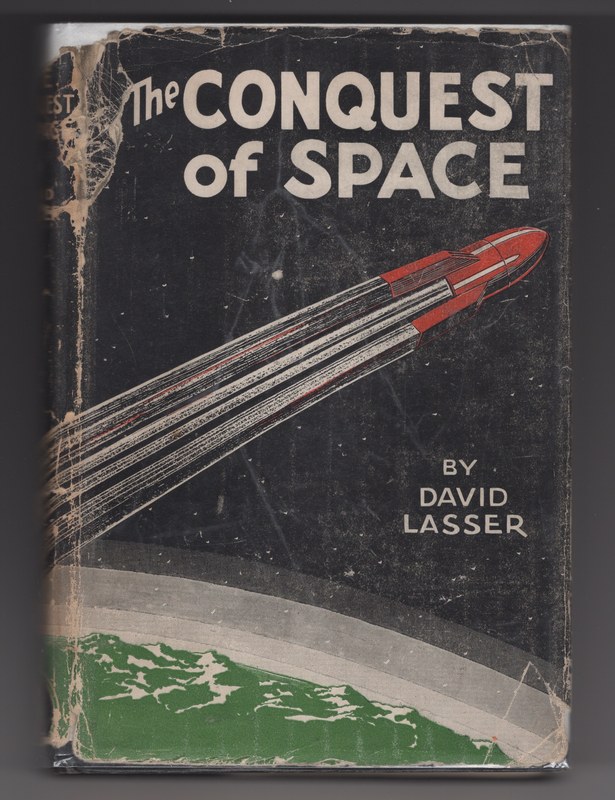
The Conquest of Space.
First book in English to explore space travel. The British edition (1932) is also available in this collection.
Featured
Across Two Oceans
›
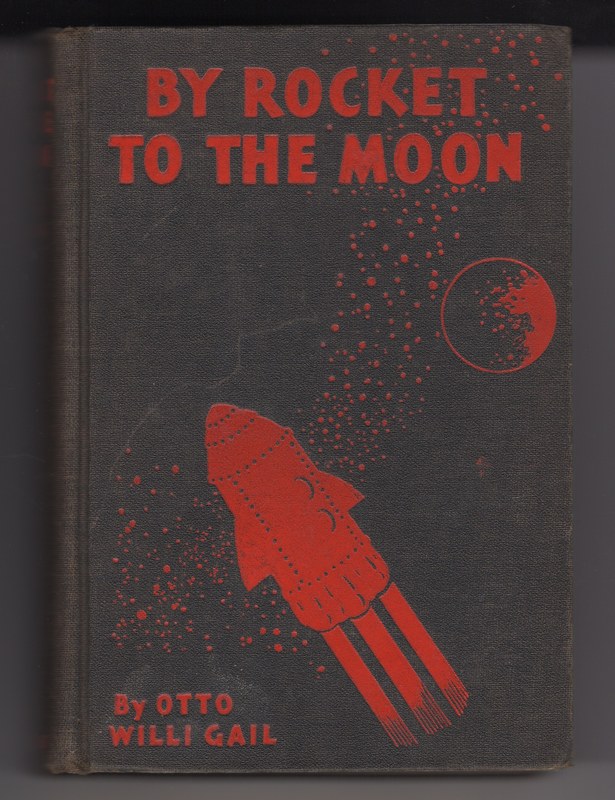
By Rocket To The Moon.
U.S. edition. Juvenile literature, realistic in its description of a first flight into space.
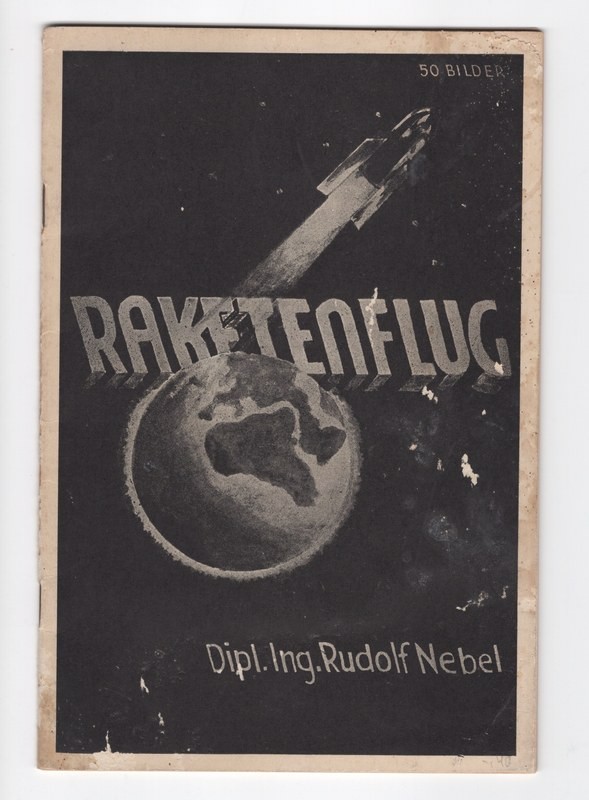
Raketenflug.
Rudolf Nebel was a a member of the German Society for Space Travel (VfR) where Oberth and von Braun also experimented. This book would be translated by NASA in 1967.

Irons-Nous Dans La Lune?
Speculation about a trip to the Moon.

Das Weltraum-Recht.
First edition at author’s expense. The first book on the legal aspects of spaceflight to present space law as an independent area of law.
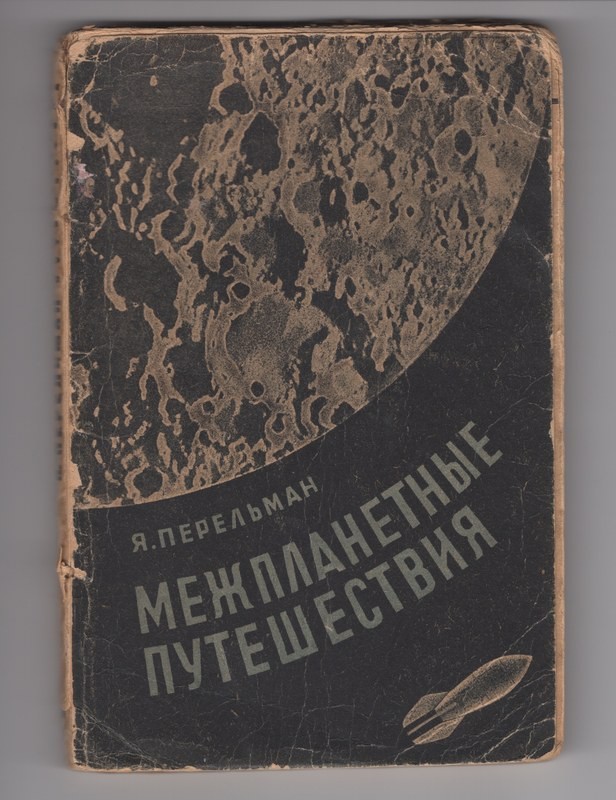
Interplanetary Travels.
The seventh edition of Perelman’s book (1915) discussing interplanetary travel; the tenth edition (1935) is also available in this collection. Perelman would annotate and preface a Russian edition of Jules Verne’s From the Earth to the Moon (1934) also available in this collection.
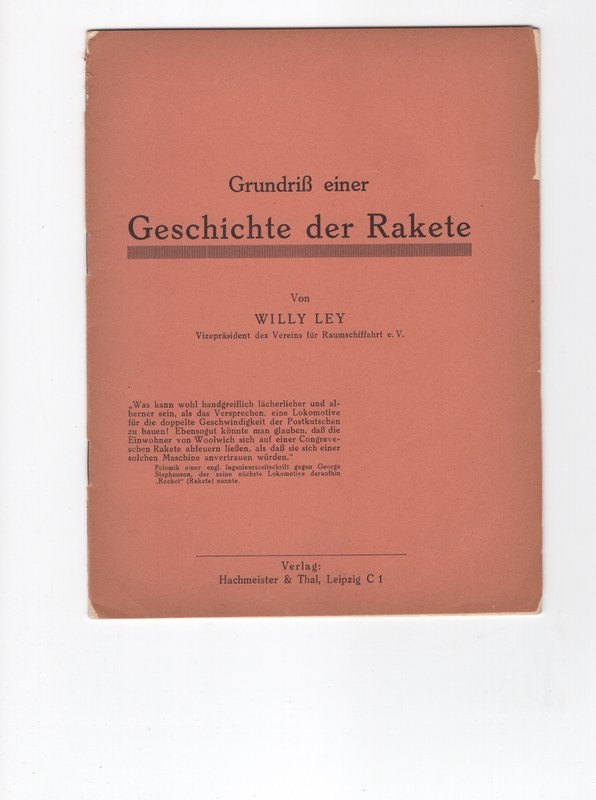
Grundriß Einer Geschichte Der Rakete.
Physical principles and history of rockets. Very small (16 pp.).
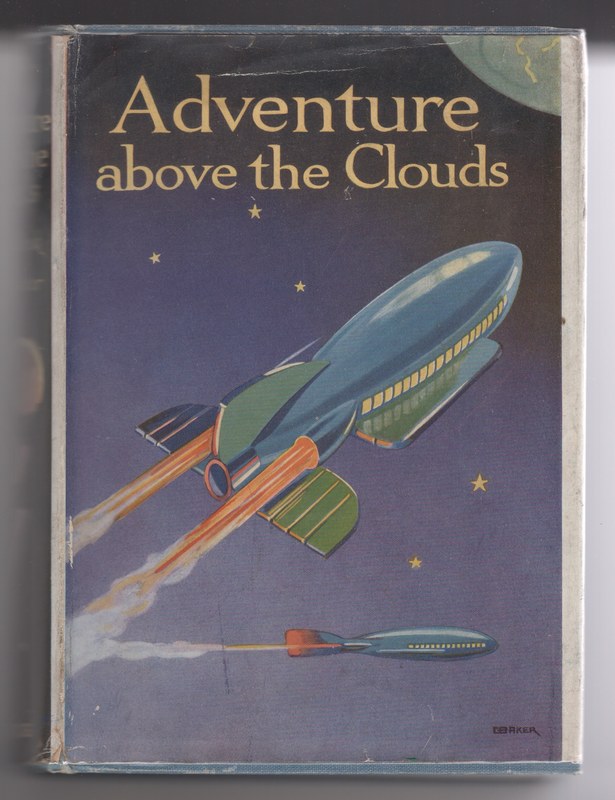
Adventure Above The Clouds.
Contains chapter with photographs of rocket experiments.
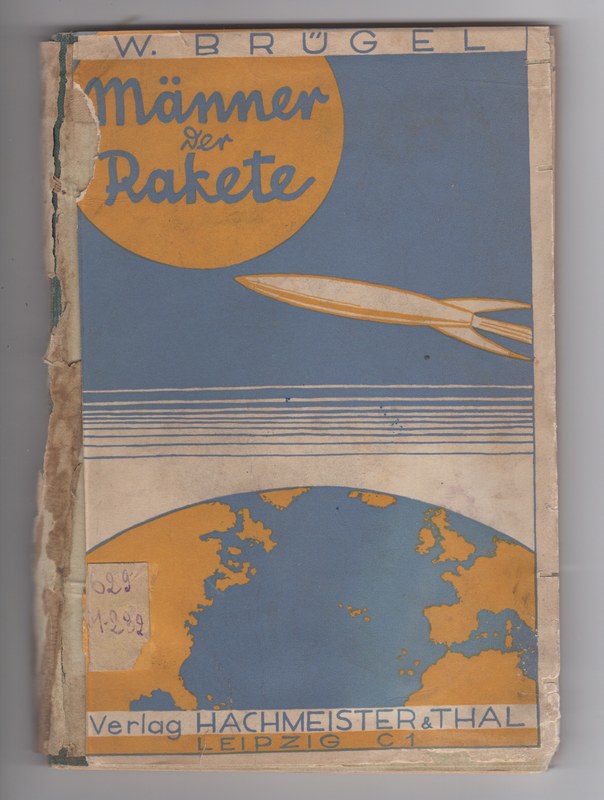
Männer Der Rakete.
Autobiographical essays by rocket pioneers, Esnault-Pelterie, Goddard, Oberth, Rynin, Tsiolkovsky.
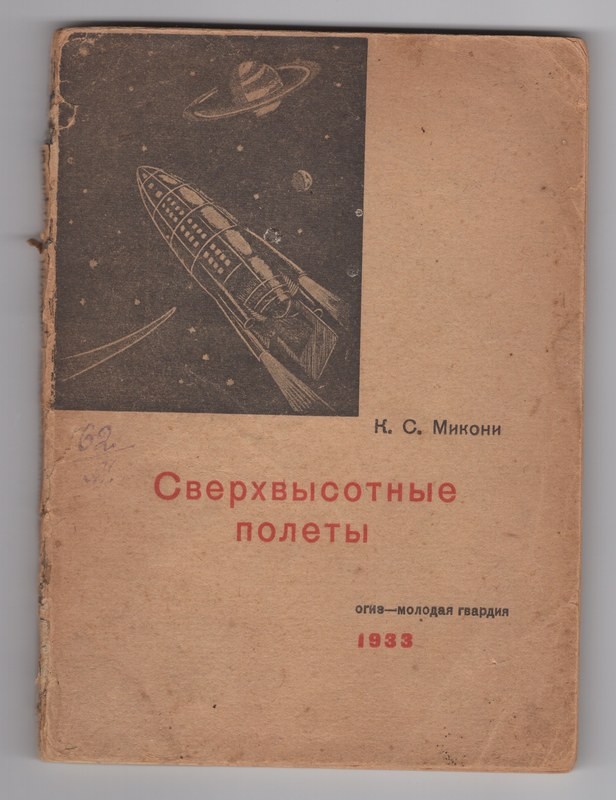
The Future Of Reactive Engines.
This is the 1933 reprint of Mikoni’s book (1932).
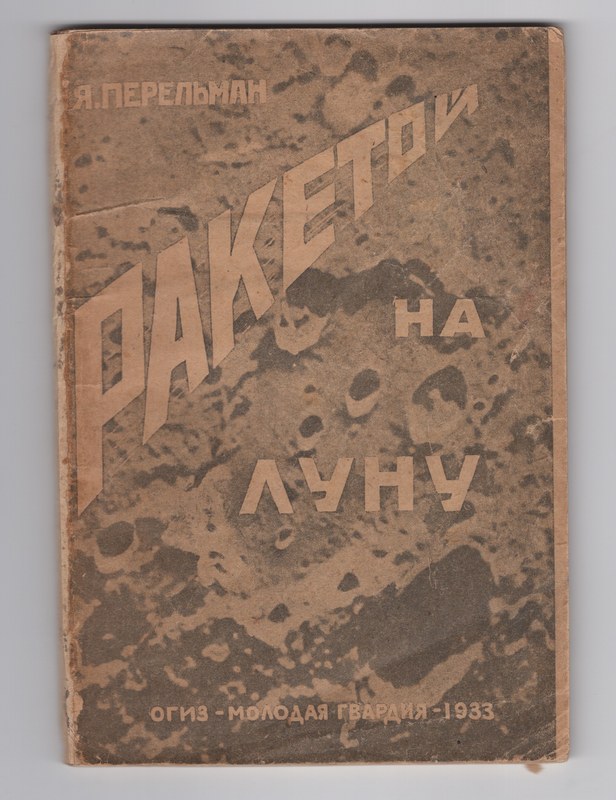
Rocket To The Moon.
Juvenile literature.
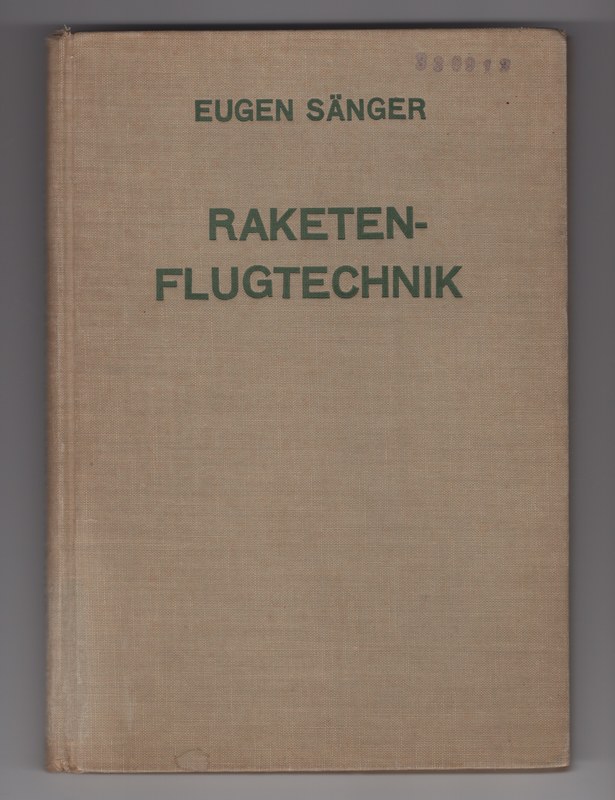
Raketenflugtechnik.
Pioneering work on rocket motor design and high-speed atmospheric flight. Two different editions in Russian (1936 and 1947) also available in this collection.
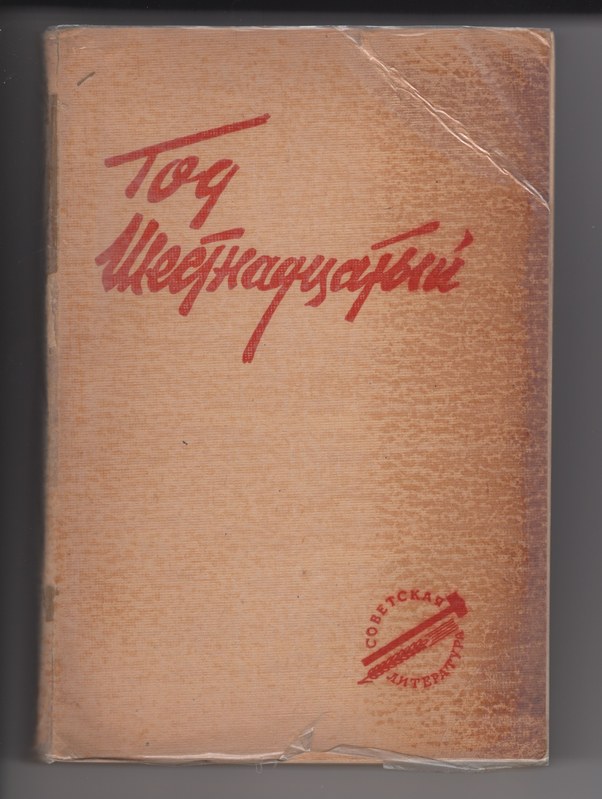
Conquest Of The Air.
Rynin wrote this autobiographical article after rediscovering the pioneering rocket proposal of Nikolai Kibalchich (1918) also available in this collection. Pages 379-391 in Almanakh Vtoroi /God Pestnadnatsii / [Second Almanac/ Sixteenth Year]. Not illustrated.
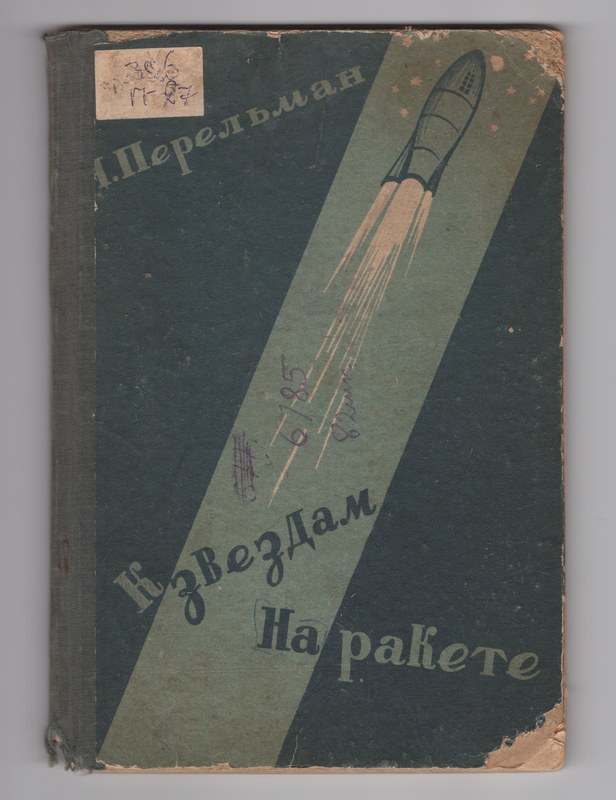
To The Stars By Rocket.
The first edition is unknown according to Ciancone. The collection has two exemplars: one submitted to the editor in December 1933 and printed in February 1934; and another submitted to the editor in May 1934 and printed in July 1934.
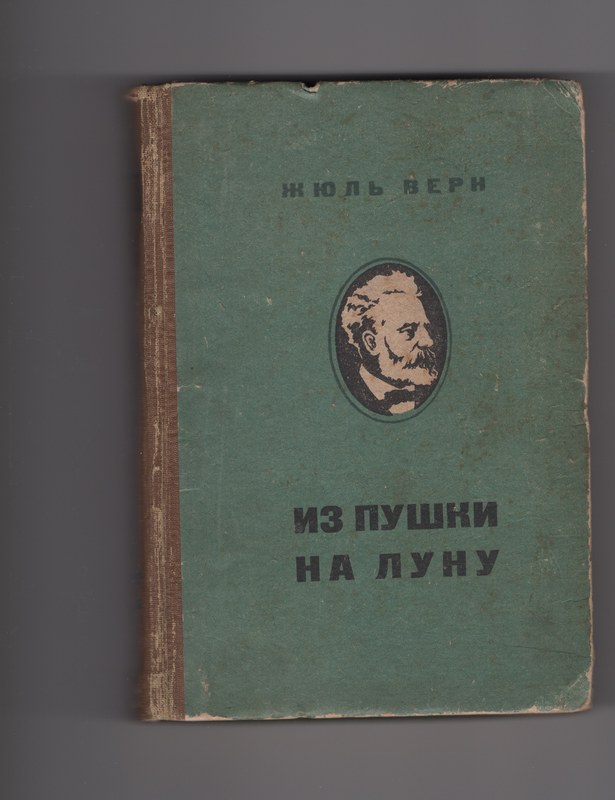
From The Earth To The Moon.
Scientific edition, illustrated, with notes in the text, biographical sketch about Jules Verne, and afterword by Iakov Perelman describing how various writers imagine traveling to the moon, including Tsiolkovsky and Oberth.
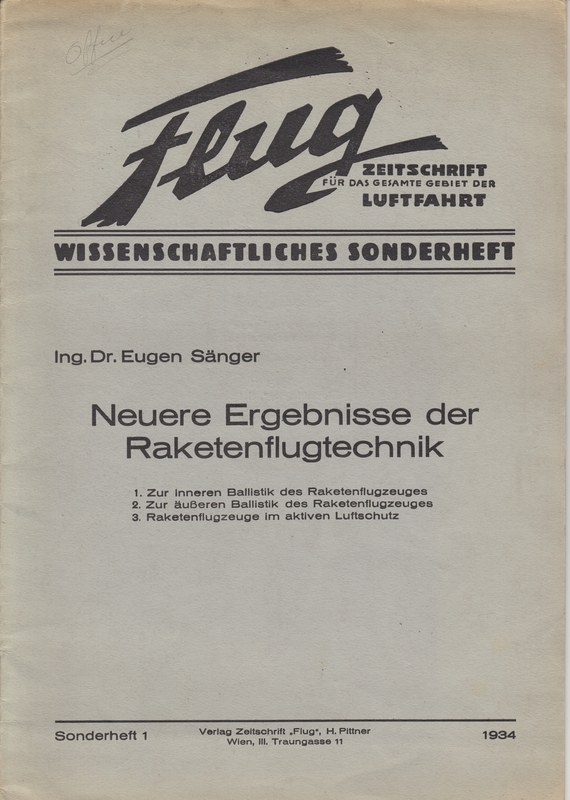
Neuere Ergebnisse Der Raketenflugtechnik FLUG.
Special report on results of rocket flights. Published in a special issue of Flug magazine.
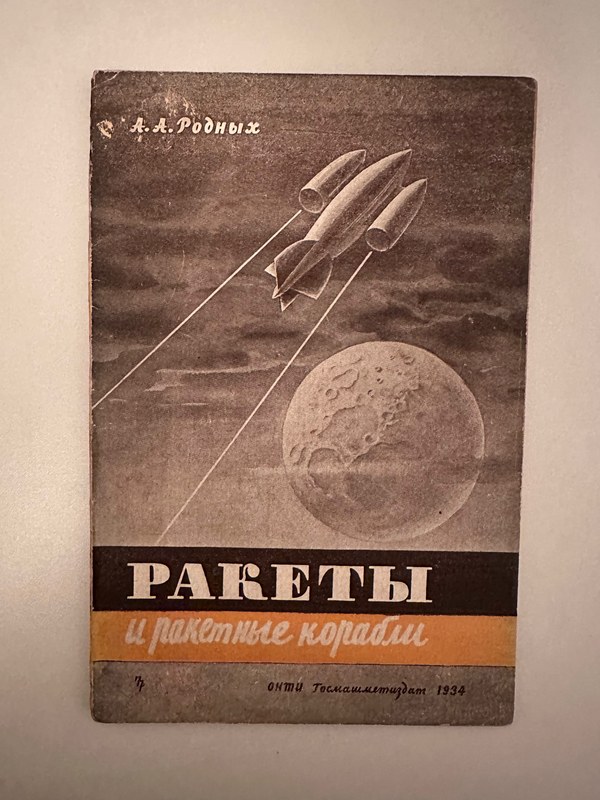
Rockets and Rocket Ships.
Popularizer and historian of aeronautics. One of the first propagandists of the ideas of Tsiolkovsky. This is the second edition.
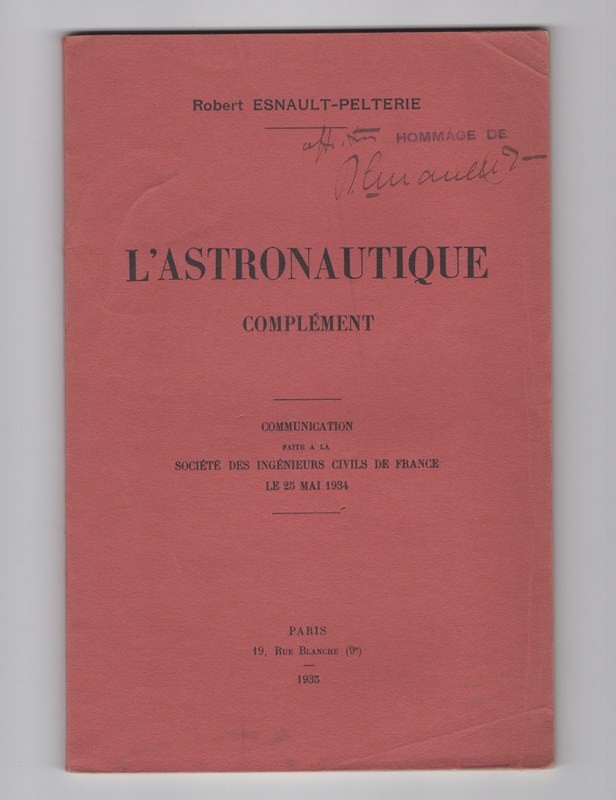
L’Astronautique (Complément).
Signed. One diagram in the book. This is the offprint in orange softcover with additional material.
Featured
Robert Esnault-Pelterie
›
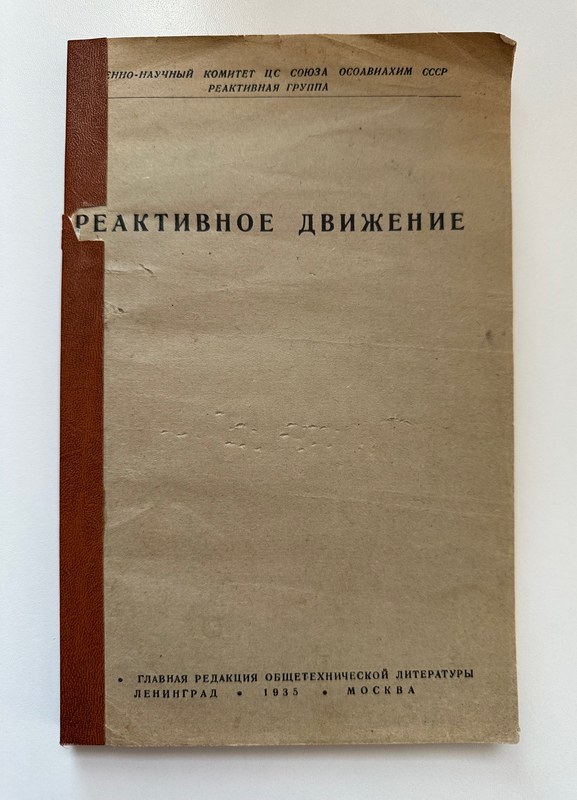
Jet Propulsion.
Collection of essays by Russian pioneers on the dynamics of rockets. Only 3,000 published copies.
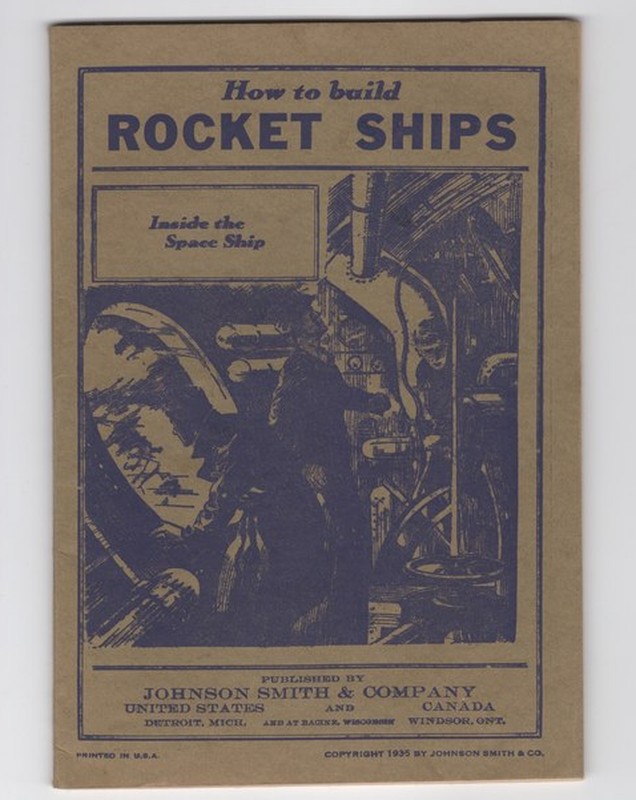
How To Build Rocket Ships.
Brief account of rockets and rocket propulsion with futuristic tones and instructions to build small solid-propellant rockets to push scale cars, trains, and boats. Copyright is 1935, but exemplar may be a later printing (1940).
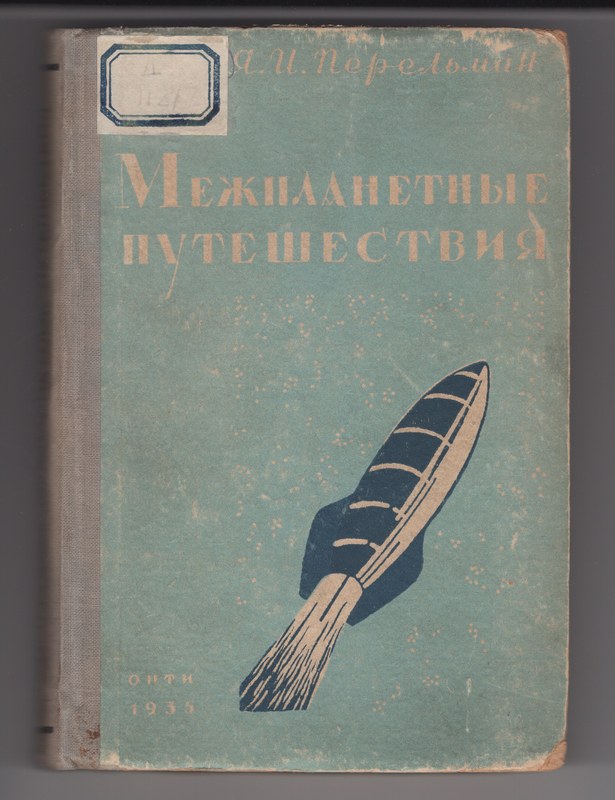
Interplanetary Travels.
A very popular science writer in the Soviet Union in the early twentieth century who wrote extensively on spaceflight and promoted the work of Konstantin Tsiolkovsky.
Stratosphere And Rocket Flight (Astronautics).
The first British book on space travel by a science writer, and one of few books in English before WWII with Lasser (1931), Monk (1933), and Cleator (1936) all also available in this collection. The second edition (1935) is also available in this collection. Philp also surveyed the field two years later in “Where Is Rocketry Today?”, Popular Aviation, October 1937, also in this collection.
La Navigation Interplanétaire.
Reproduces two conferences given at the Astronautical Society of France by the founding member of multiple international space and astronautics associations.
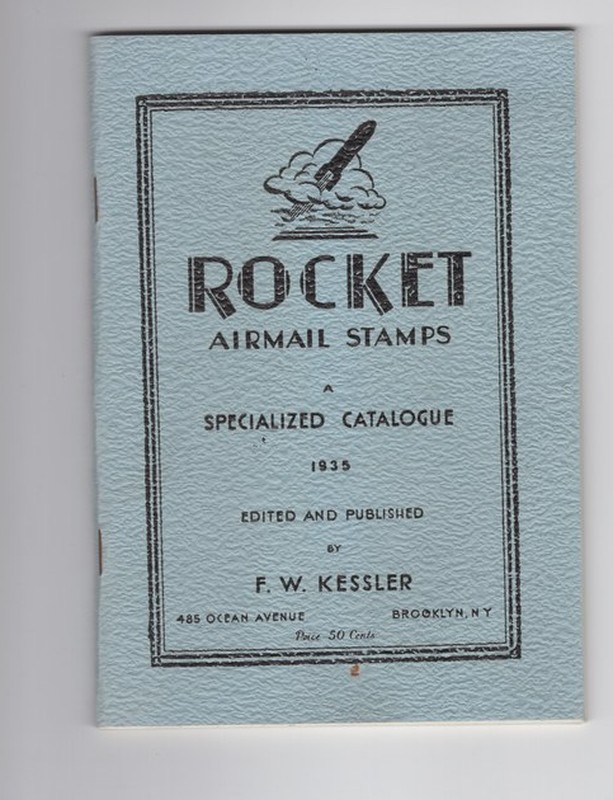
Rocket Airmail Stamps A Specialized Catalogue.
Probably the first catalogue for rocket airmail stamps. Describes the first rocket mail experiments and lists all rocket stamps and covers up to 1935. Two exemplars, one includes the original mailing envelope from F. W. Kessler.
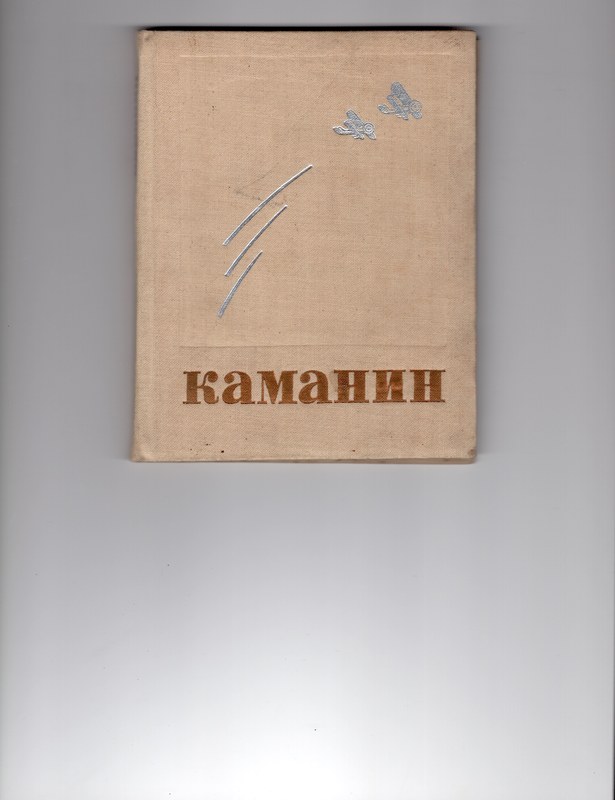
My Biography Is Only Beginning.
Written in 1934, documenting Kamanin’s fame from that year’s Chelyuskin ice-rescue expedition, which made him one of the first Heroes of the Soviet Union. Decades later he would chair the committee that selected Yuri Gagarin as the first man in space, but that role lay well in his future when this book was written. A 1970s signed postcard and his 1972 book (Pilots and Cosmonauts) are also in the collection.
Featured
Across Two Oceans
›
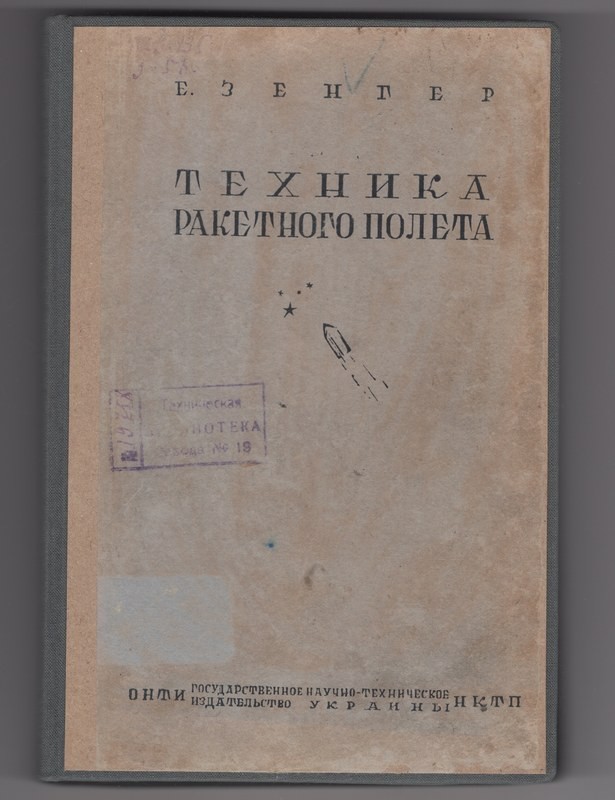
The Technology Of Rocket Flight.
Russian edition of Raketenflugtechnik (1933) which is also available in this collection. A later (1947) Russian edition by a different editor is also available in this collection.
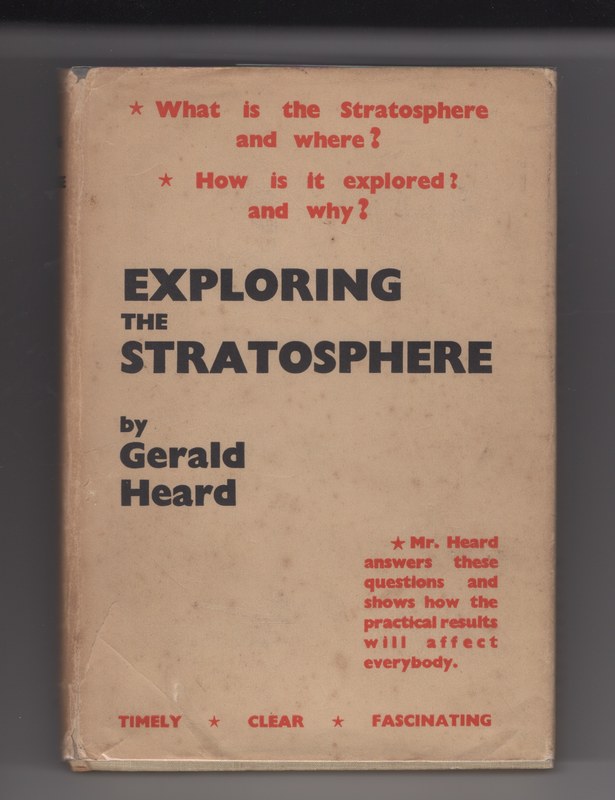
Exploring The Stratosphere.
Focuses on the exploration of the stratosphere through the use of balloons. However, a chapter describes Goddard’s work with three plates of illustrations.
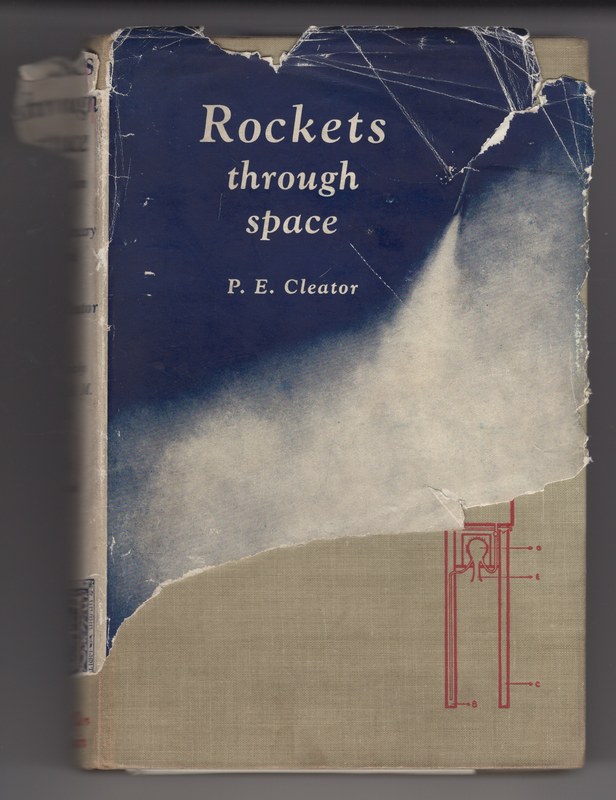
Rockets Through Space.
Cleator was a founding member and first president of the British Interplanetary Society (BIS). First edition.
Liquid-Propellant Rocket Development.
Includes the first public mention of Goddard's historic 1926 liquid-fuel rocket launch. Illustrated with photographs. Smithsonian Miscellaneous Collections, Volume 95, No. 3. Smithsonian Publication #3381. Also in the collection: Goddard’s own account of his first liquid-fuel rocket flight, reprinted in Scientific American (August–September 1936), together with G. Edward Pendray’s 1938 profile of Goddard from the same magazine.
Featured
Across Two Oceans
›
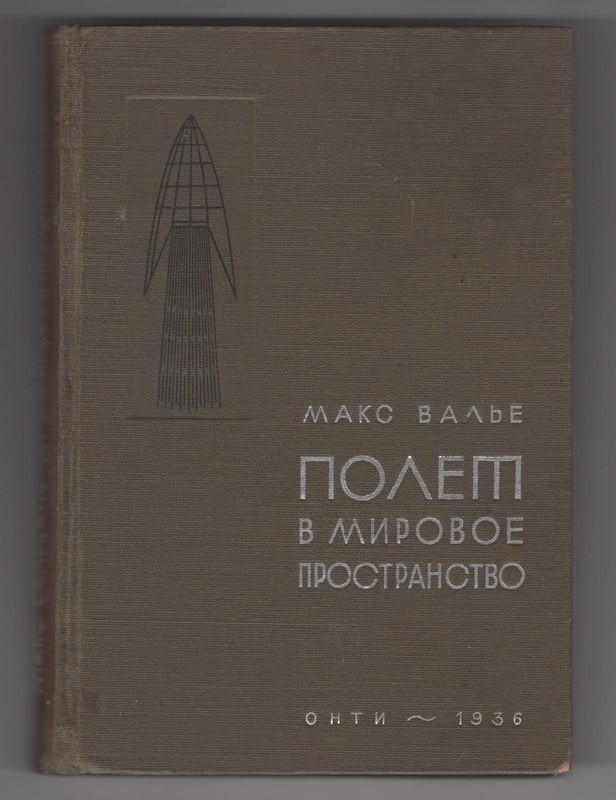
Flight Into Universal Space.
The Russian edition of Valier’s Raketenfahrt (1928) which is also available in this collection. HC, no DJ as issued.
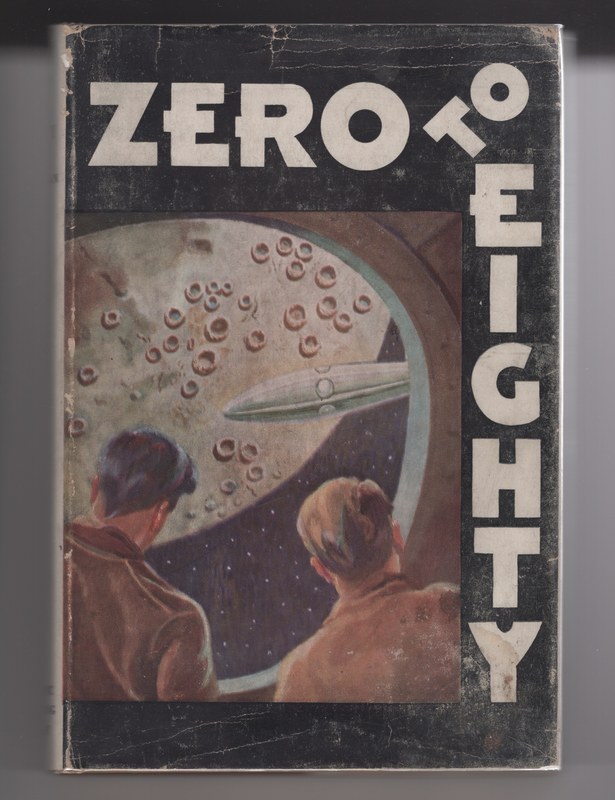
Zero To Eighty.
Describes the use of an electric rail gun to launch spaceships.

Tsiolkovsky Life And Technical Ideas.
Summary of Tsiolkovsky’s ideas on rocketry.
Featured
Across Two Oceans
›
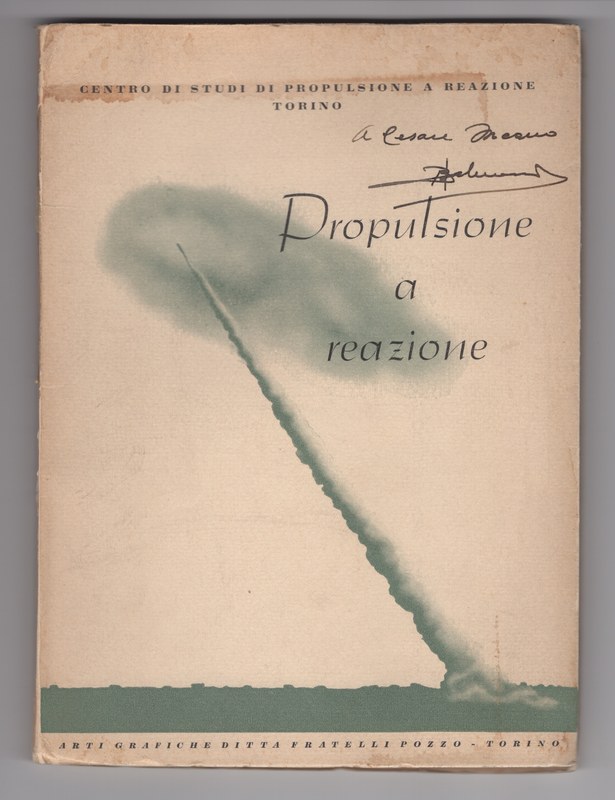
Propulsione A Reazione.
Signed. Rocketry in Italy with focus on Giorgio Cicogna, who died while developing a rocket motor and invented the Hydrophone. Highly unusual.

The Papers of Robert H. Goddard: Including the Reports to the Smithsonian Institution and the Daniel and Florence Guggenheim Foundation (1898–1945). 3 volumes.
The complete surviving record of Goddard’s working life, assembled at the initiative of his widow Esther with a grant from the Guggenheim Foundation — the same foundation that funded his rocket experiments from 1930 onward. The project ran from 1958 to publication in 1970: notebooks, correspondence, patent files, and the annual reports Goddard submitted to the Smithsonian Institution and the Guggenheims, few of which had previously seen print. Volume One covers 1898–1924, Volume Two 1925–1937 (the Roswell years), and Volume Three 1938–1945; xl + 1708 pages, illustrated throughout with photographs and diagrams from Goddard’s own files. Issued at $150 for the set. The slipcase carries a gold medallion on the front reproducing Goddard’s posthumous Congressional Gold Medal of 1959, and on the back a second medallion with his own words — “The dream of yesterday is the hope of today and the reality of tomorrow” — and “First Rocket March 16, 1926,” the date of his first liquid-fuel launch at Auburn, Massachusetts. A number, “23625,” is gilt-stamped at the base of the slipcase; likely a bindery or stock-control mark rather than a limited-edition number.