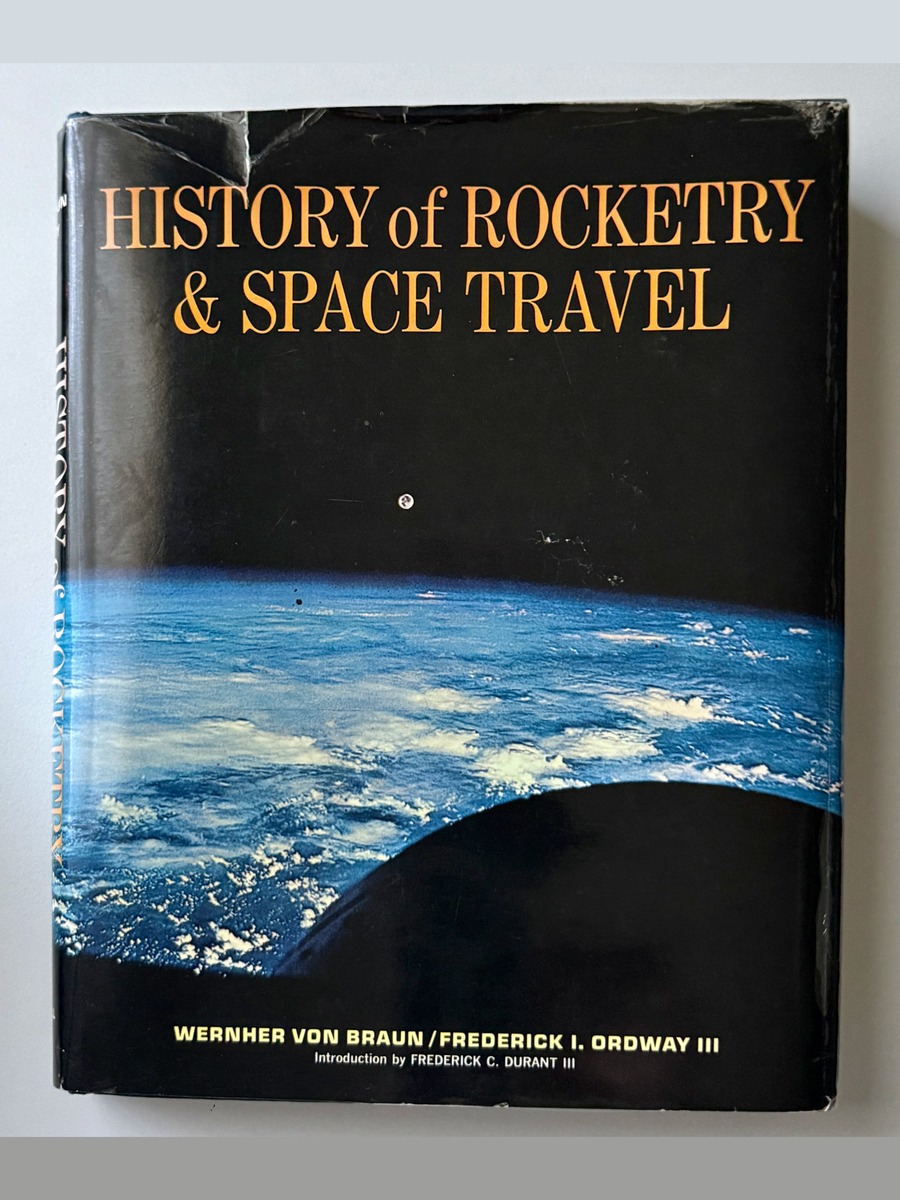
History of Rocketry & Space Travel.
First edition, first printing of the standard reference von Braun and Ordway wrote with illustrator Harry H-K Lange, praised on the jacket by Arthur C. Clarke, Willy Ley, and Sir Bernard Lovell in advance of publication. Introduction by Frederick C. Durant III. The same first printing is also in this collection in a special presentation binding — handcrafted leather over the identical text and copyright page — in Catalog E.
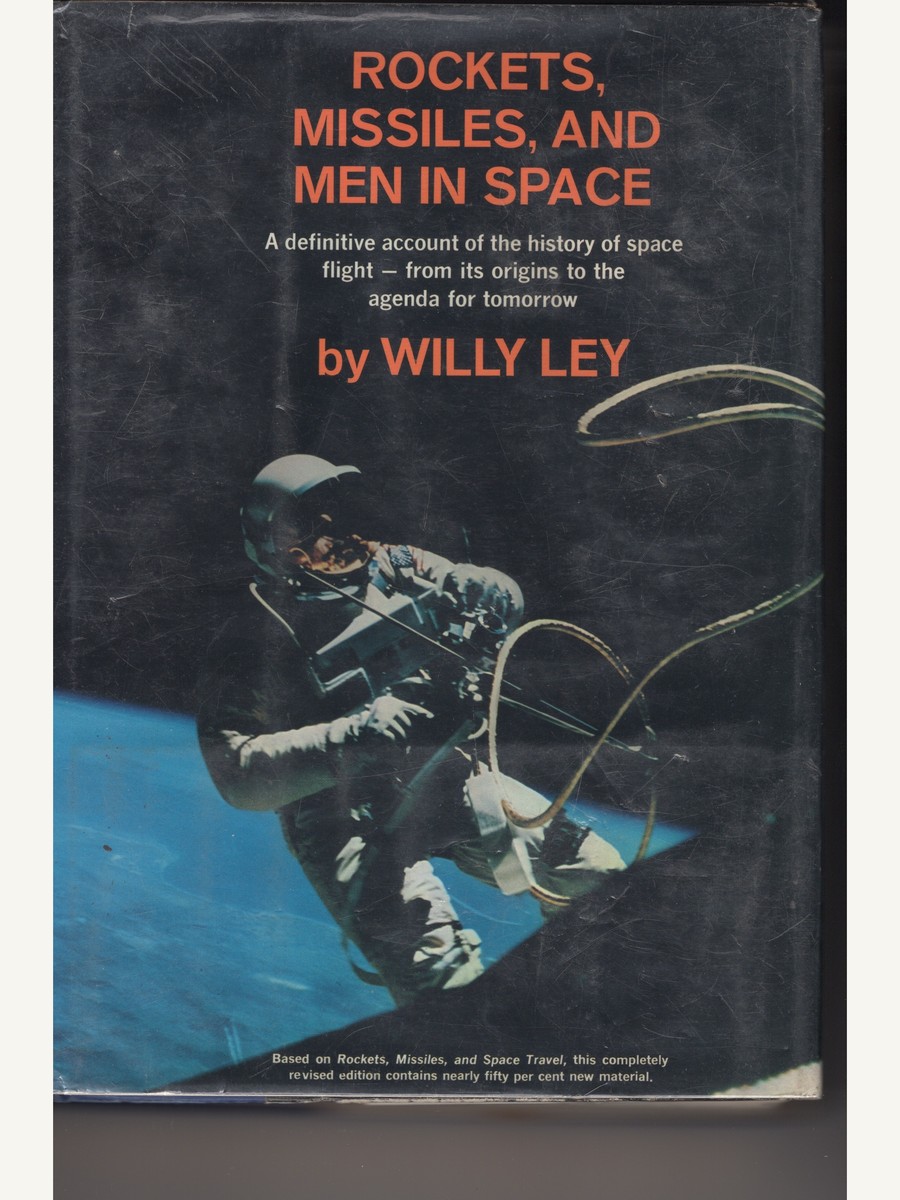
Rockets, Missiles, and Men in Space.
Fourth, fully revised edition of Ley’s survey of rocketry and spaceflight, reset with roughly forty percent new material and carried from the earliest rocket experiments through the announced agenda for the years ahead. Originally published in 1944 as Rockets, then repeatedly updated through the 1950s as Rockets, Missiles, and Space Travel; retitled for this edition, it was Ley’s last major statement on the subject — he died in June 1969, five weeks before Apollo 11 reached the Moon he had championed for four decades. Ley’s earlier books, including The Conquest of Space (1949), are elsewhere in this collection. Twentieth printing.
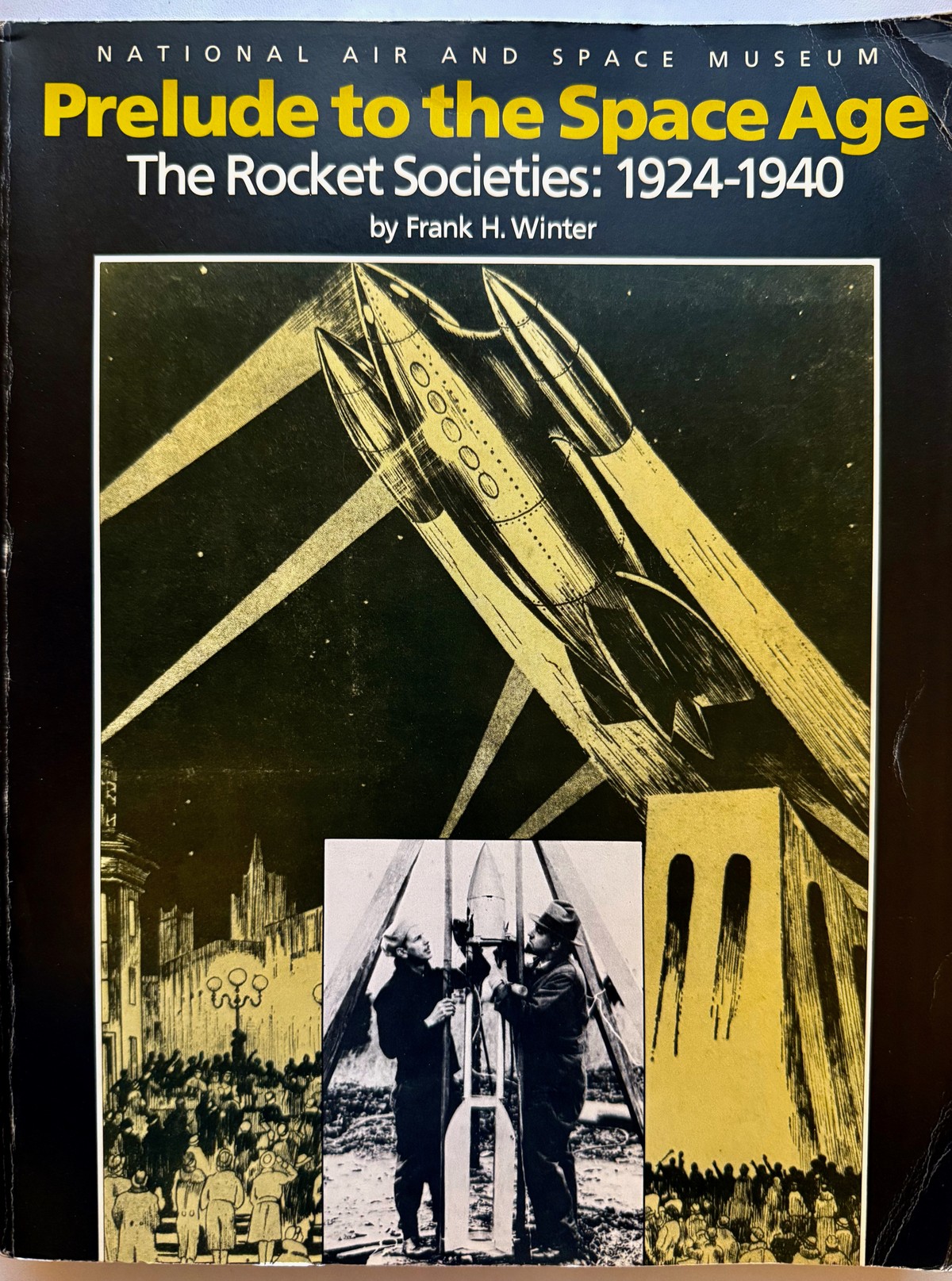
Prelude to the Space Age: The Rocket Societies, 1924–1940.
The National Air & Space Museum’s history of the amateur rocket societies of the interwar years — the American Interplanetary Society, the VfR, and their counterparts elsewhere. Winter is thanked by name in Michael Ciancone’s Collector’s Checklist (below) for help verifying its entries.
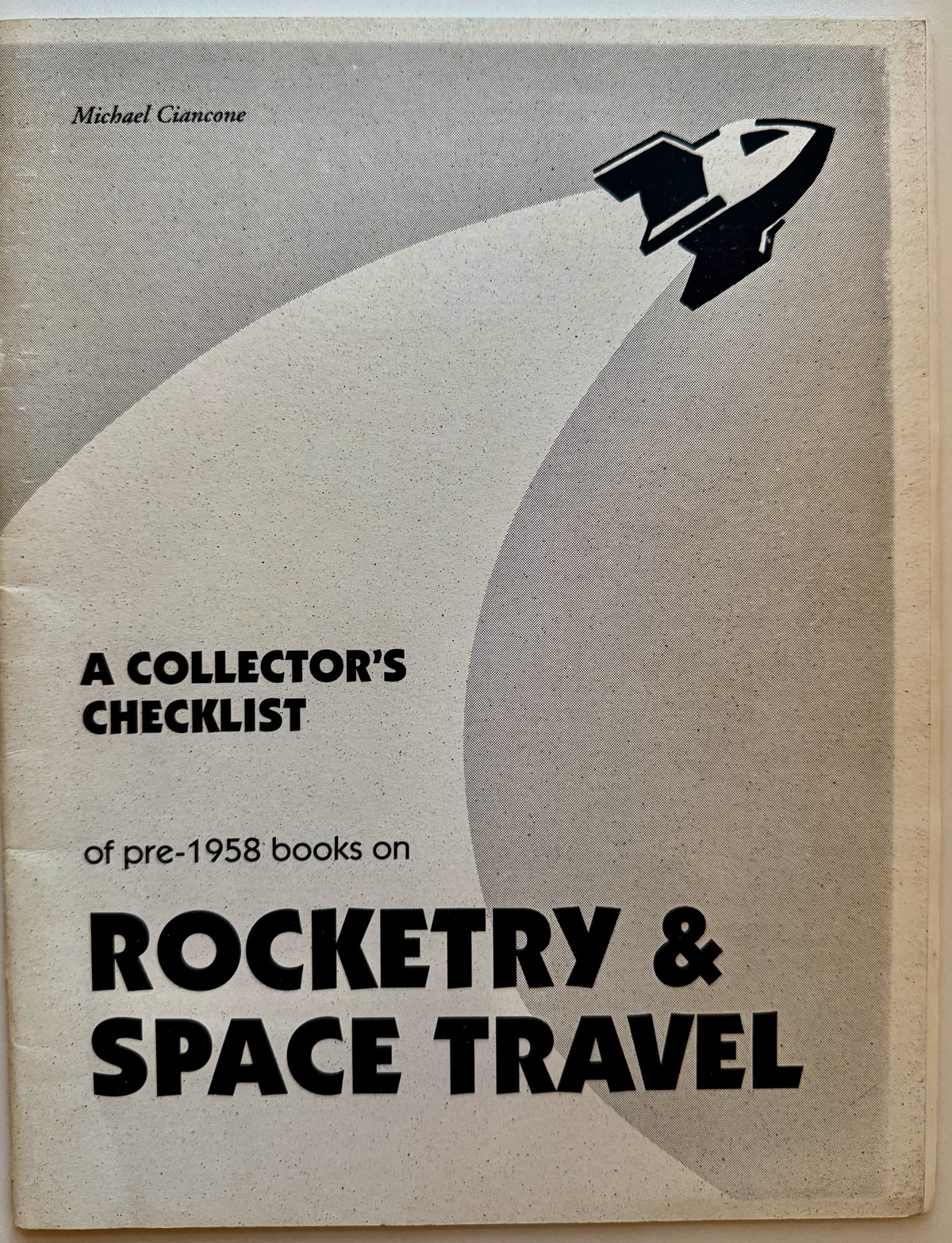
A Collector’s Checklist of pre-1958 Books on Rocketry & Space Travel.
Self-published bibliography that gave many books in this collection their reference numbers — the “Ciancone: ###” line included with each pre-1958 entry throughout this catalog. Signed and dated by the author, eight days after the first-printing date given in the colophon.
 Featured
The Checklist That Started This Collection
›
Featured
The Checklist That Started This Collection
›
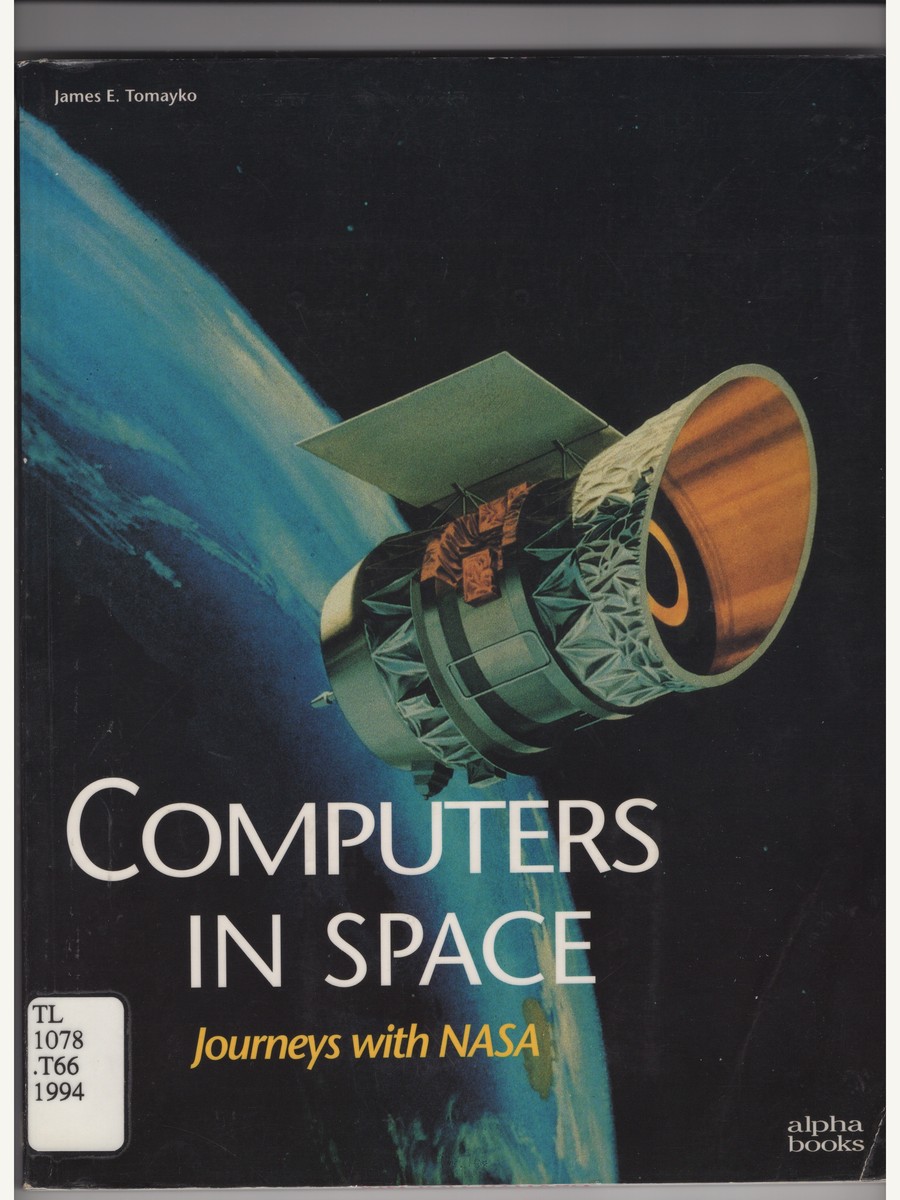
Computers in Space: Journeys with NASA.
Survey of NASA’s onboard and ground computing, from the Mercury and Gemini guidance systems through Apollo’s Guidance Computer and the Space Shuttle’s five-computer redundant flight system, alongside the mission-control computing built to support each program. Ex-library copy; the originating library’s call-number pocket label (TL 1078 .T66 1994) remains affixed to the front cover.
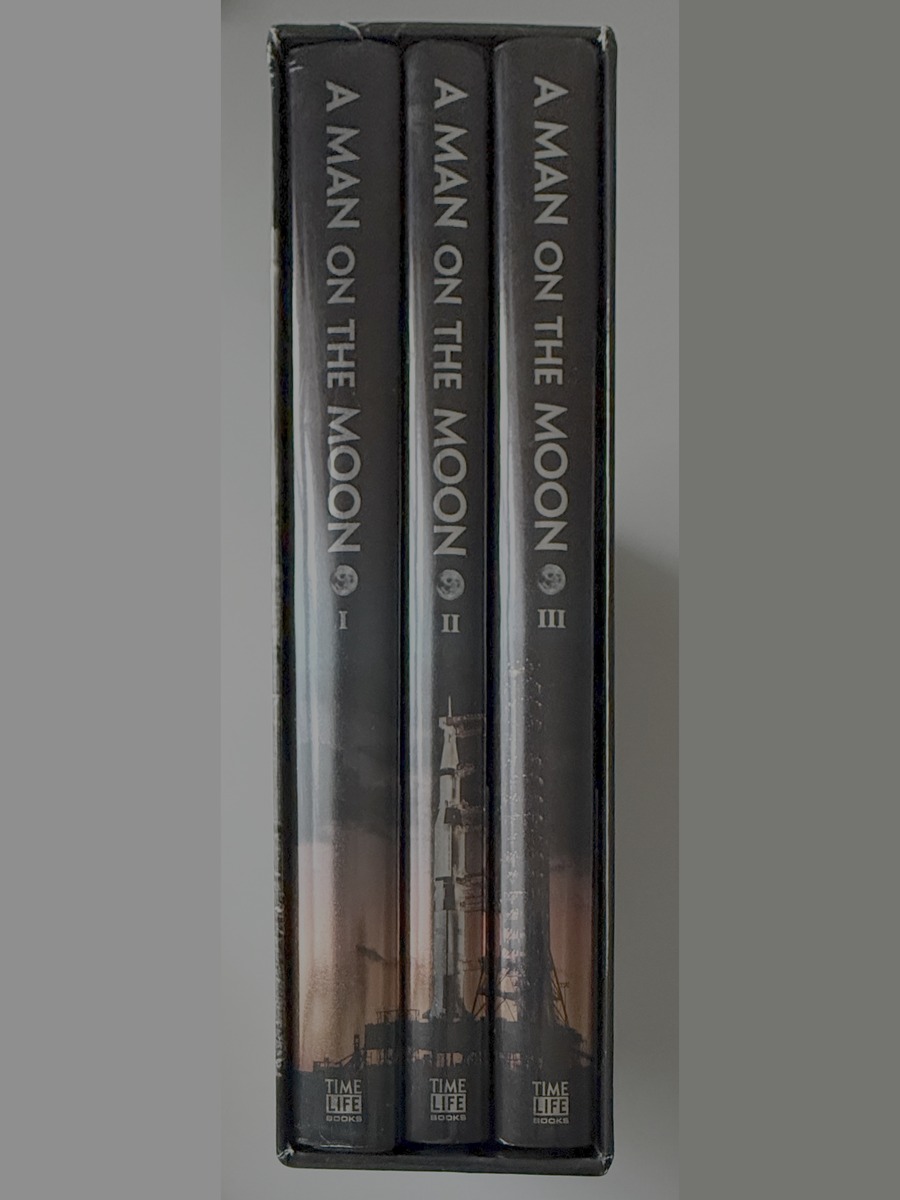
A Man on the Moon: The Voyages of the Apollo Astronauts. 3 volumes: Giant Leap, The Odyssey Continues, Lunar Explorers.
Illustrated commemorative reissue, for Apollo 11’s thirtieth anniversary, of Chaikin’s 1994 history of the Apollo program — a decade in the making, drawn from hundreds of hours of his own interviews with all twenty-four men who flew to the Moon. This Time-Life edition resets the text across three slipcased volumes with more than 500 photographs, including rare and previously unpublished images from NASA, Life, and the astronauts’ own collections, plus paintings by Apollo 12’s Alan Bean. Ron Howard and Tom Hanks turned the original book into the HBO miniseries From the Earth to the Moon (1998) the year before this edition appeared.
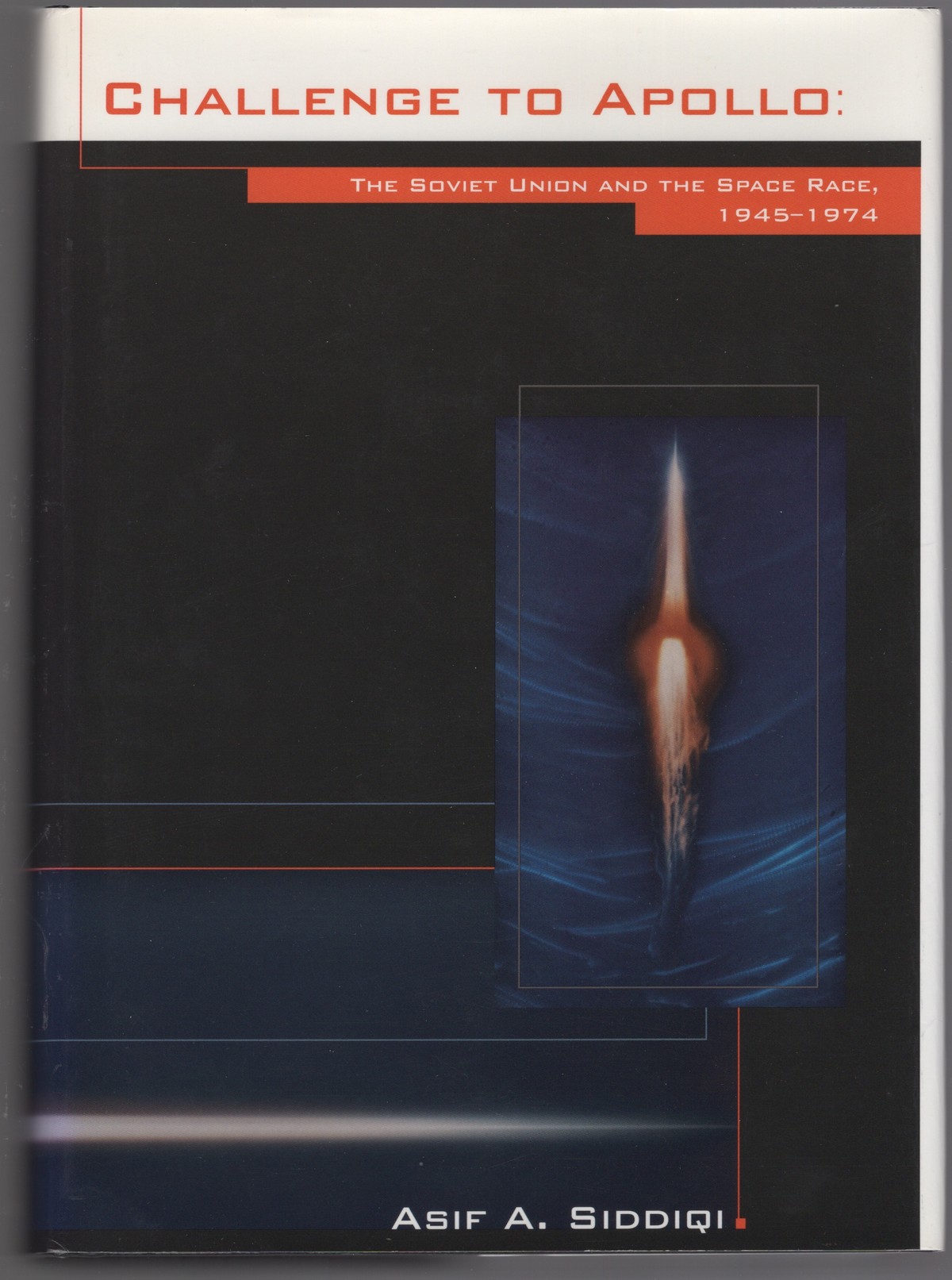
Challenge to Apollo: The Soviet Union and the Space Race, 1945–1974.
The standard history of the Soviet space program through the Apollo era, written after the post-1991 opening of Soviet archives finally allowed a fact-based account rather than one built on Western guesswork and Soviet propaganda. Part of the NASA History Series, at just over 1,000 pages.
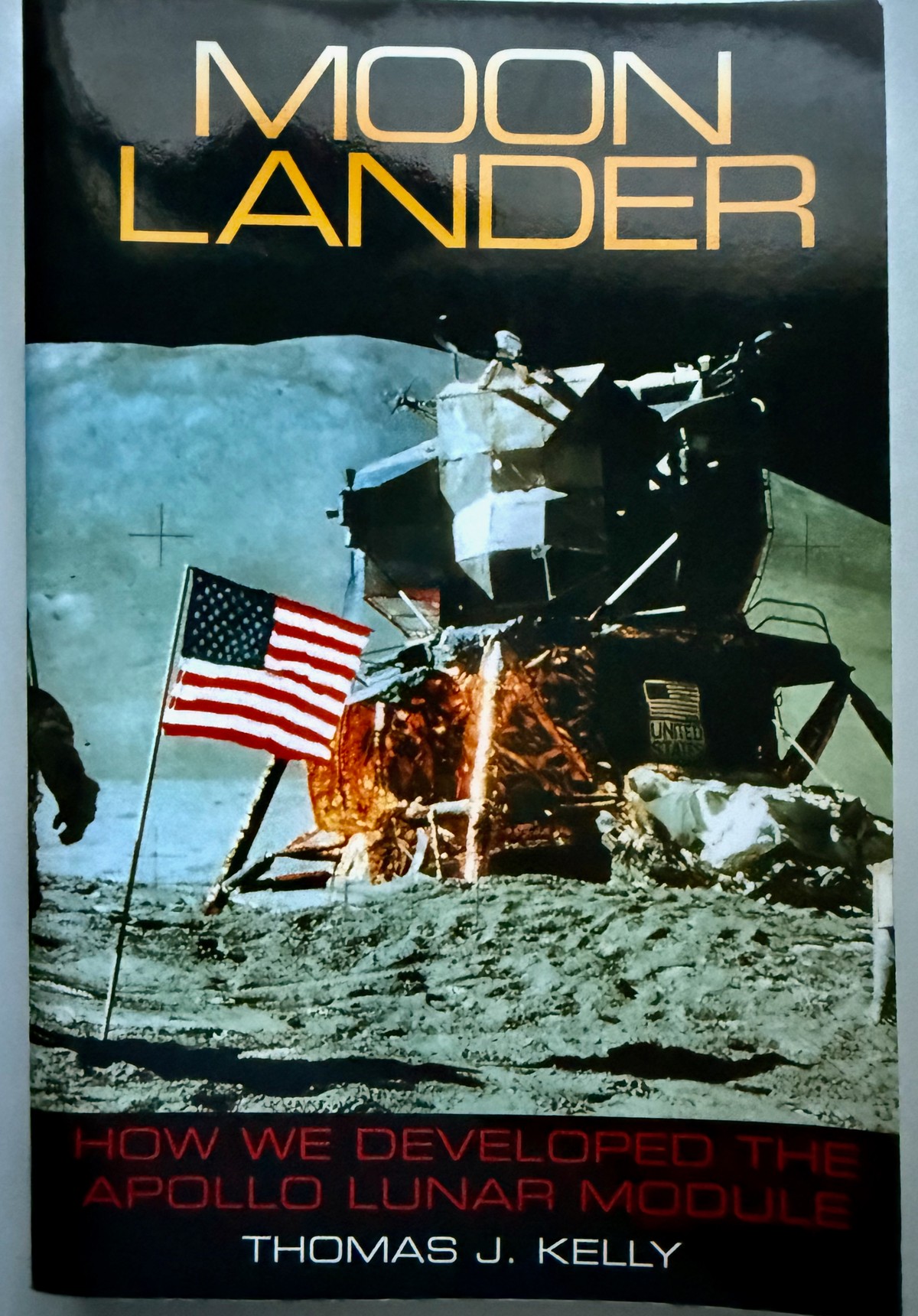
Moon Lander: How We Developed the Apollo Lunar Module.
First-person account of designing, building, and testing the Apollo Lunar Module, by the Grumman engineer who led the effort as its chief engineer.
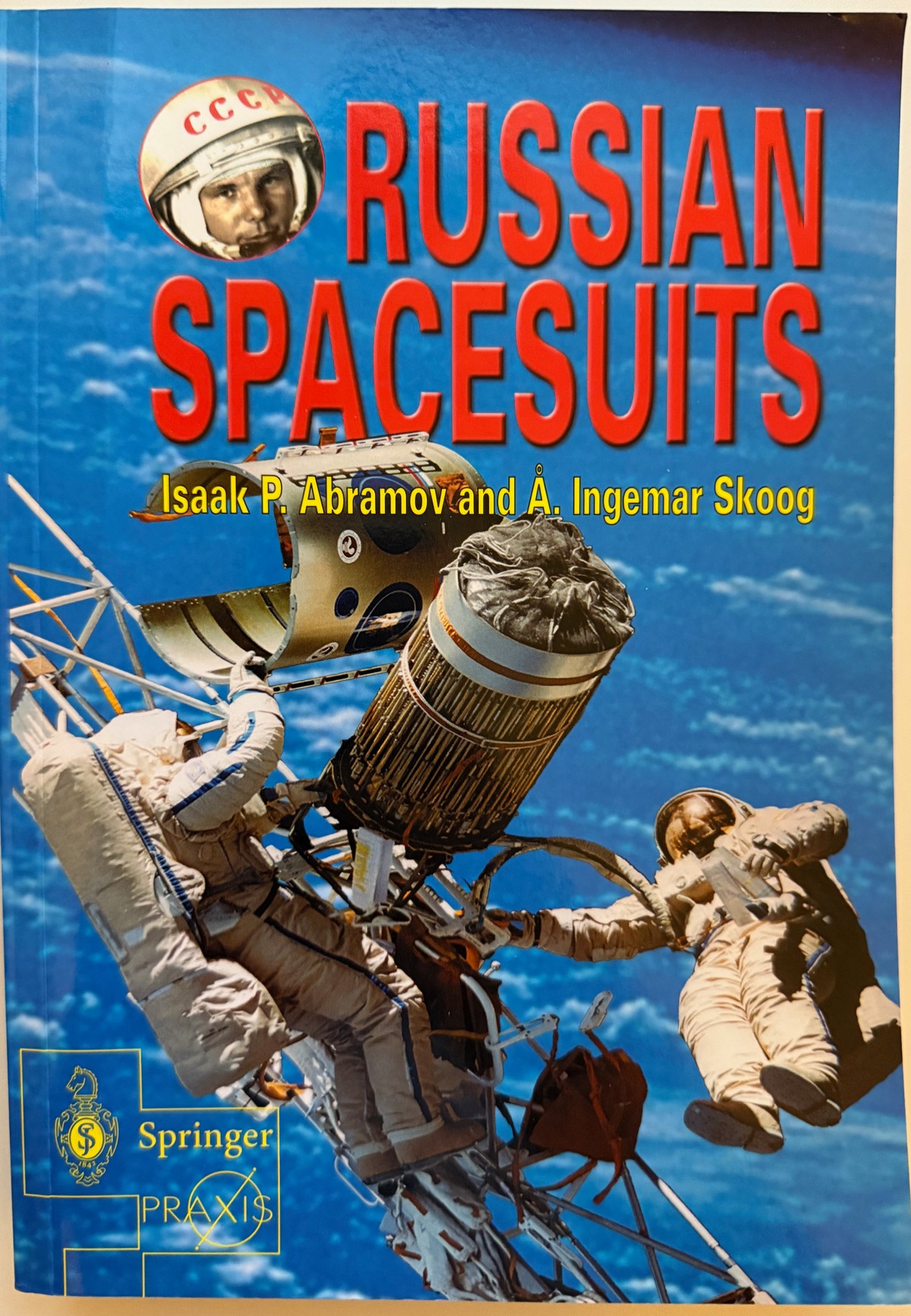
Russian Spacesuits.
History of Soviet and Russian spacesuit development, from the earliest pressure suits through Mir and the International Space Station, co-written by one of the program’s own longtime engineers.
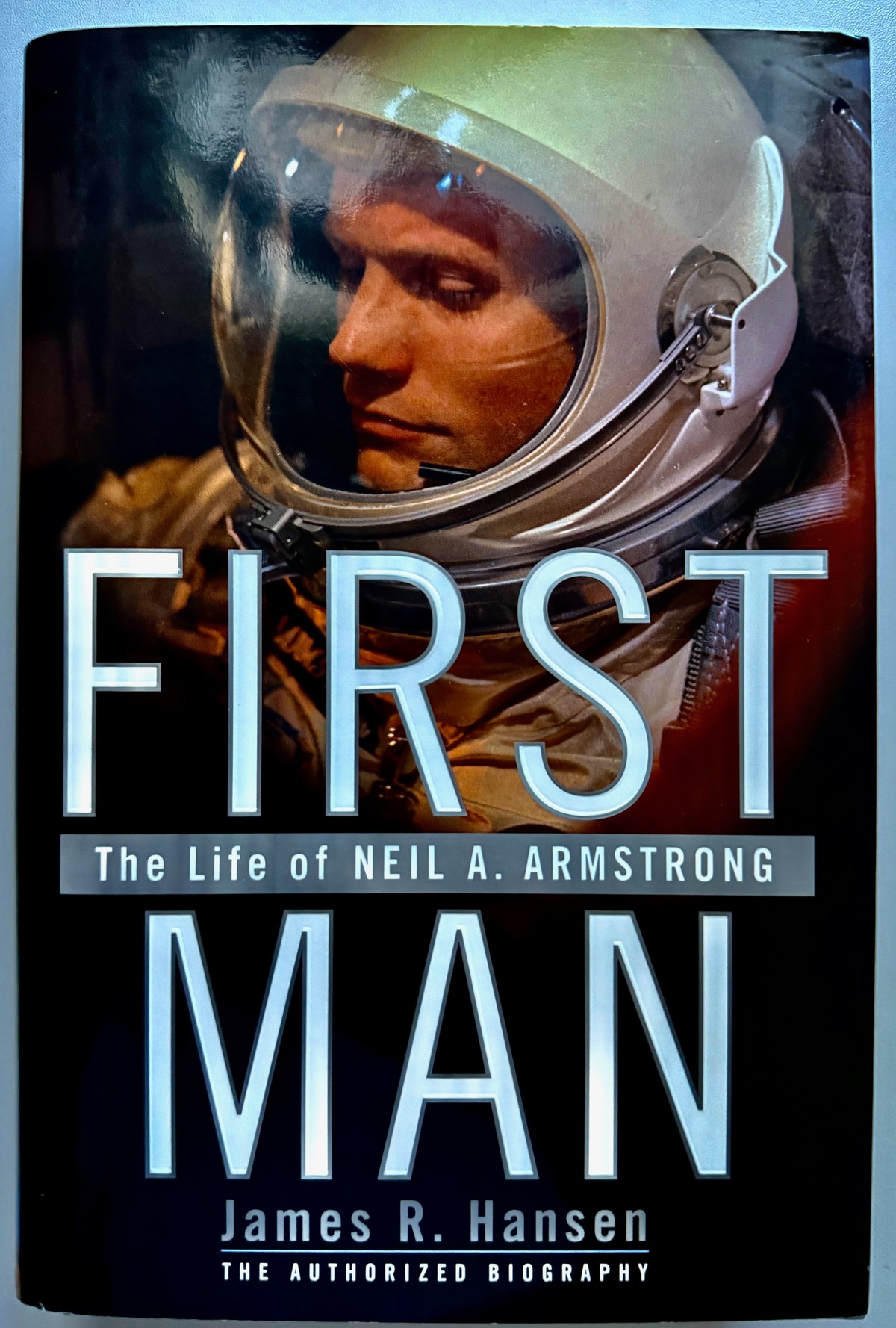
First Man: The Life of Neil A. Armstrong.
The authorized biography of Neil Armstrong, drawing on more than fifty hours of interviews Armstrong gave the author. This copy is signed by James R. Hansen on a Prologue Society bookplate.
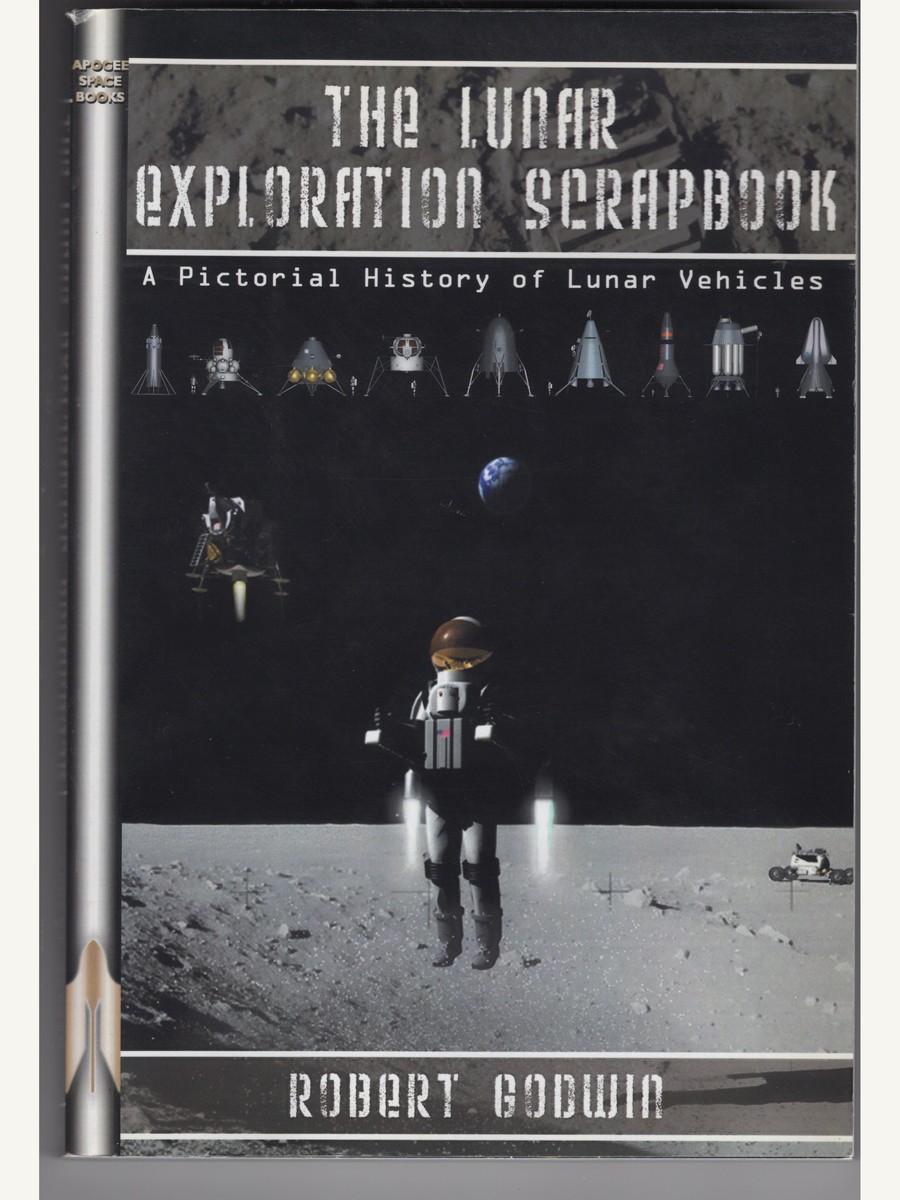
The Lunar Exploration Scrapbook: A Pictorial History of Lunar Vehicles.
Pictorial survey of proposed American lunar exploration vehicles from 1938 to 1972 — landers, rovers, “hoppers,” and flying platforms — pairing historical concept art with Godwin’s own 3D reconstructions of more than 200 designs. Godwin frames it in his introduction not as a formal history but as “a fanciful attempt at presenting many extraordinary, and often extremely rare ideas, in one place.”

Historia de la Actividad Espacial en la Argentina – Tomo 1.
History of Argentina’s own space program, self-published by the author.
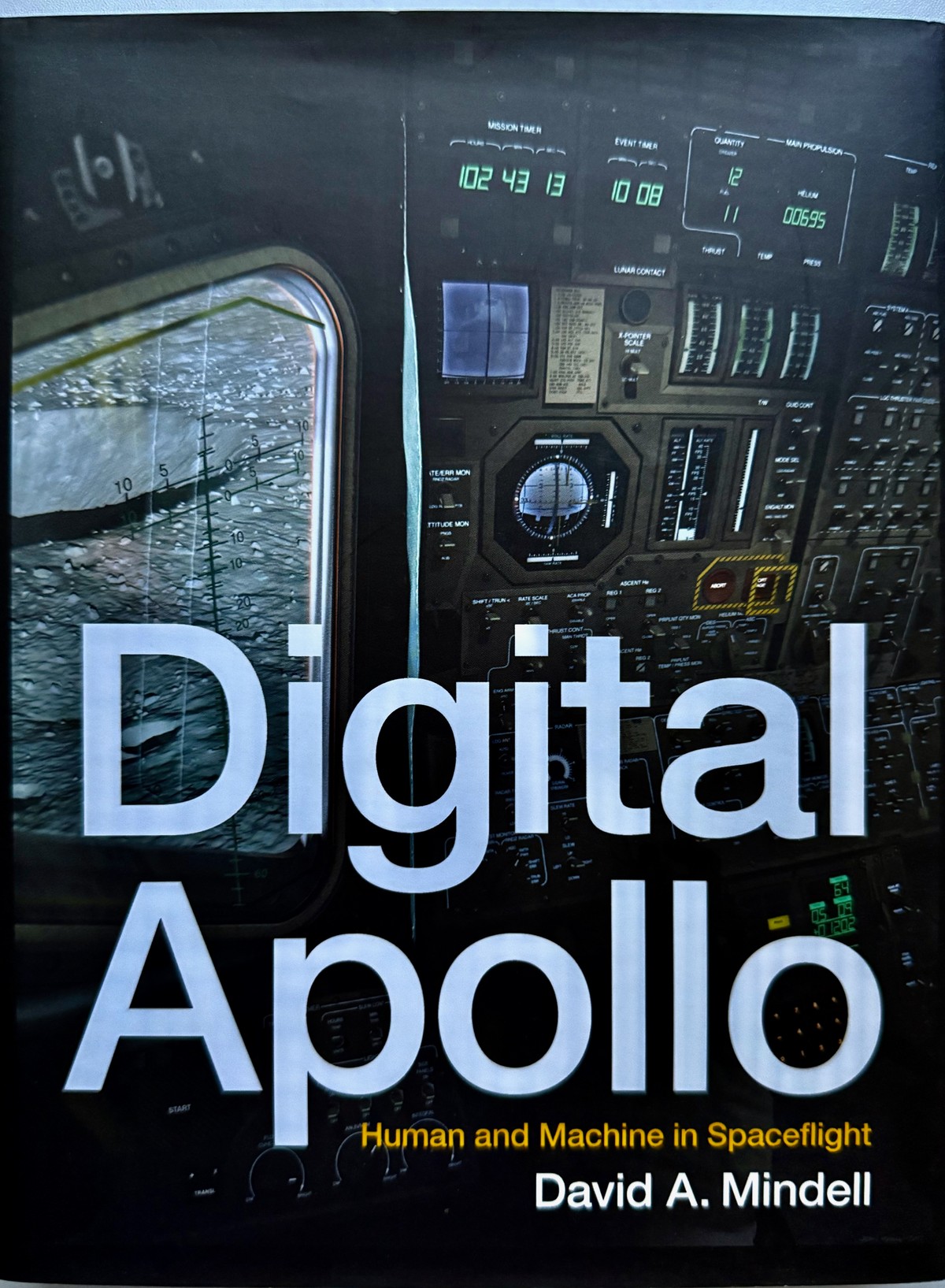
Digital Apollo: Human and Machine in Spaceflight.
Study of the human-machine partnership in the Apollo program, centered on the Apollo Guidance Computer and the astronauts’ own hands-on control of it during landing.
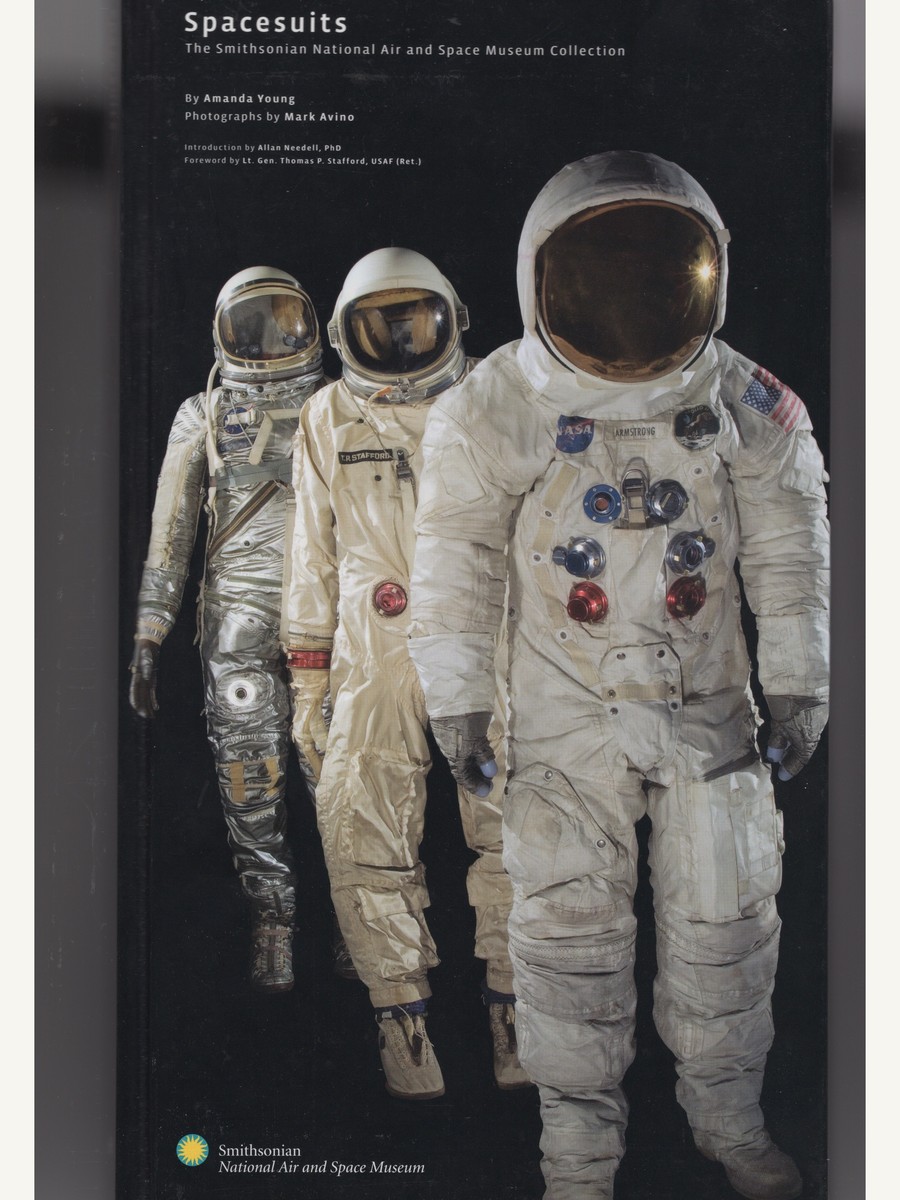
Spacesuits: The Smithsonian National Air and Space Museum Collection.
A visual survey of the National Air and Space Museum’s spacesuit holdings, photographed by Mark Avino, tracing pressure-suit development from 1930s high-altitude gear through the Apollo-Soyuz suits of 1975, including unflown and experimental designs. Foreword by Lt. Gen. Thomas P. Stafford, USAF (Ret.); introduction by Allan Needell. Young curated the Museum’s spacesuit collection for over two decades. Pairs naturally on this shelf with Abramov and Skoog’s Russian Spacesuits and de Monchaux’s Spacesuit: Fashioning Apollo (both above).
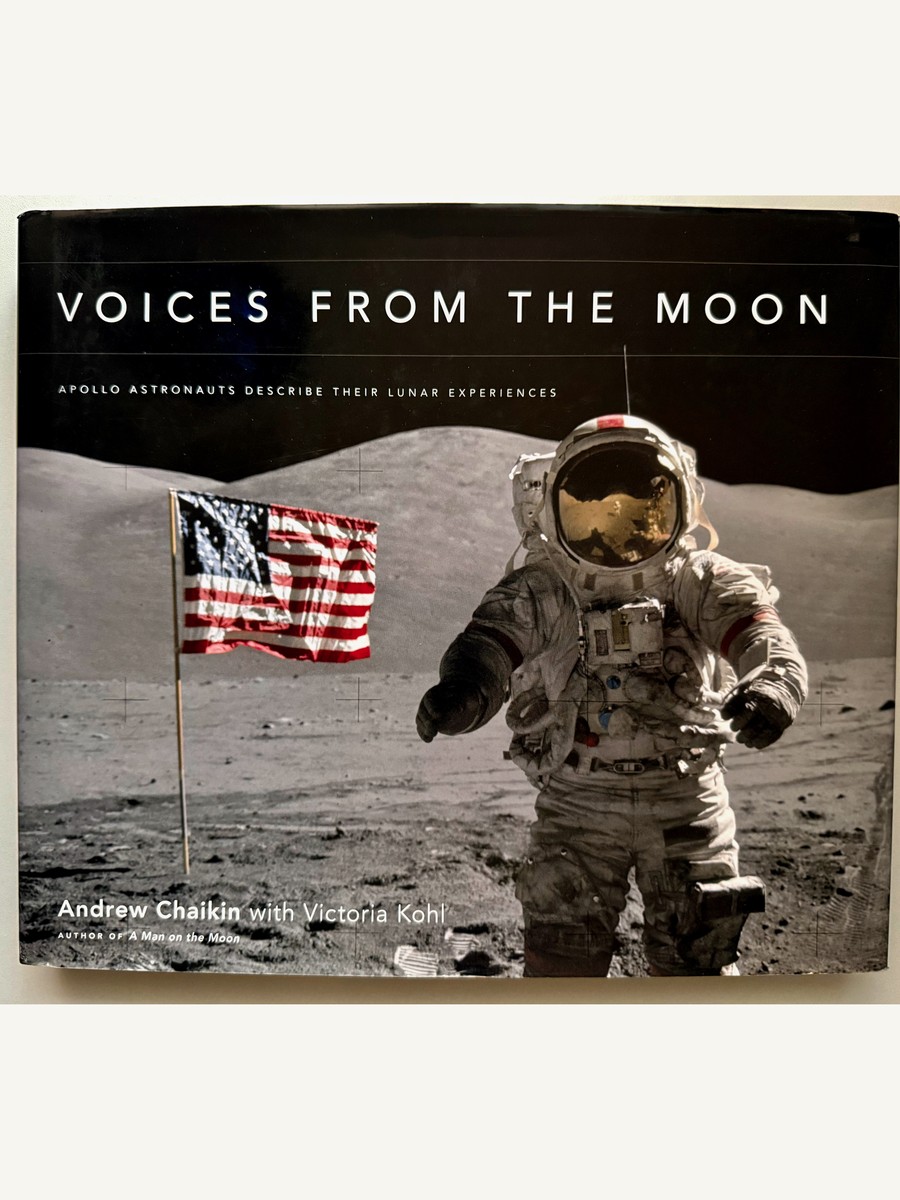
Voices from the Moon: Apollo Astronauts Describe Their Lunar Experiences.
First-person quotations from the twenty-four astronauts who flew to the Moon, drawn from Chaikin’s original interviews and paired with NASA photography from each mission, tracing the arc of a lunar flight from launch through splashdown. Chaikin previously chronicled the program at length in A Man on the Moon (1994), later adapted by HBO as From the Earth to the Moon.
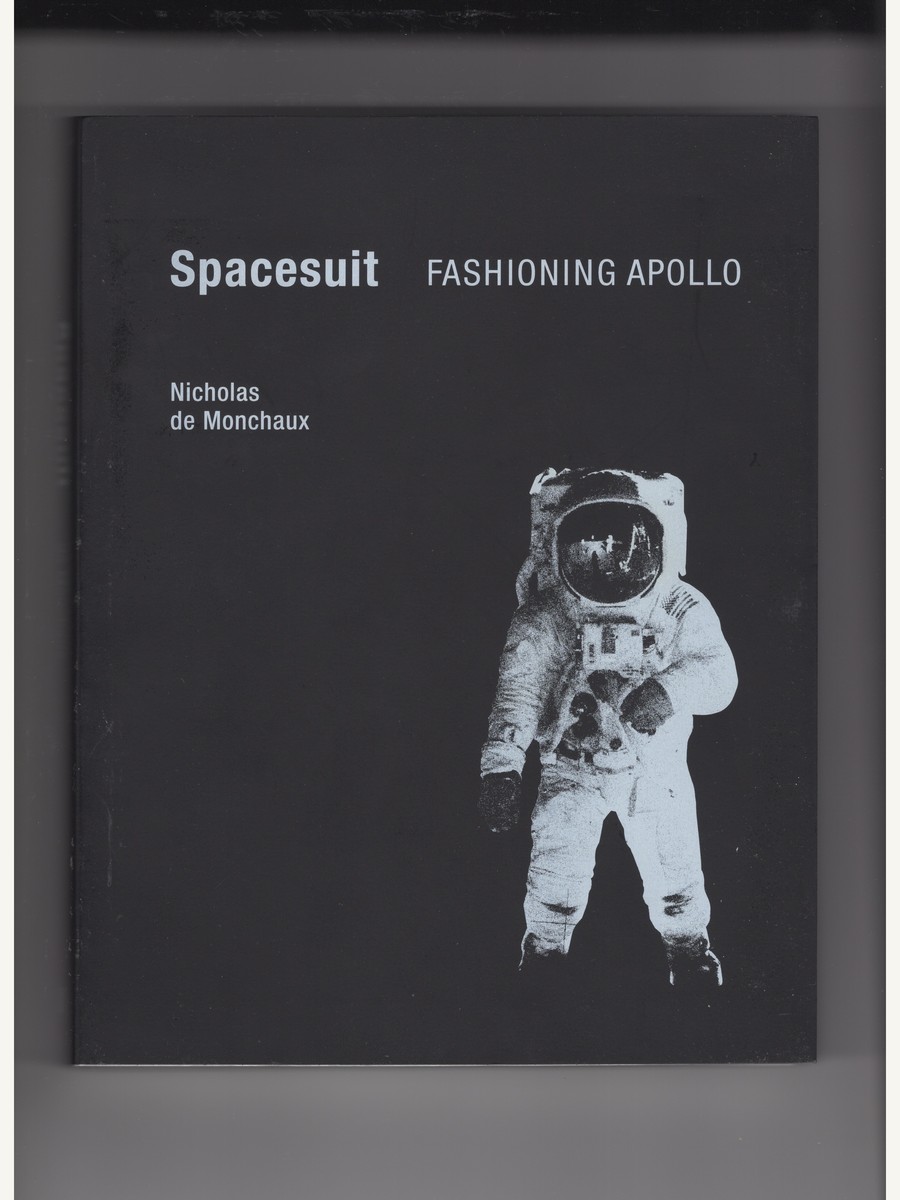
Spacesuit: Fashioning Apollo.
History of the Apollo A7L spacesuit, built by Playtex’s parent company, the International Latex Corporation, from twenty-one hand-sewn and hand-glued fabric layers rather than the rigid, engineered hardsuits competing contractors proposed. Argues that the suit’s soft, garment-based construction, drawing on the company’s bra- and girdle-making expertise, succeeded where more conventionally engineered alternatives failed, and situates it within wider Cold War histories of design, fashion, and the body.
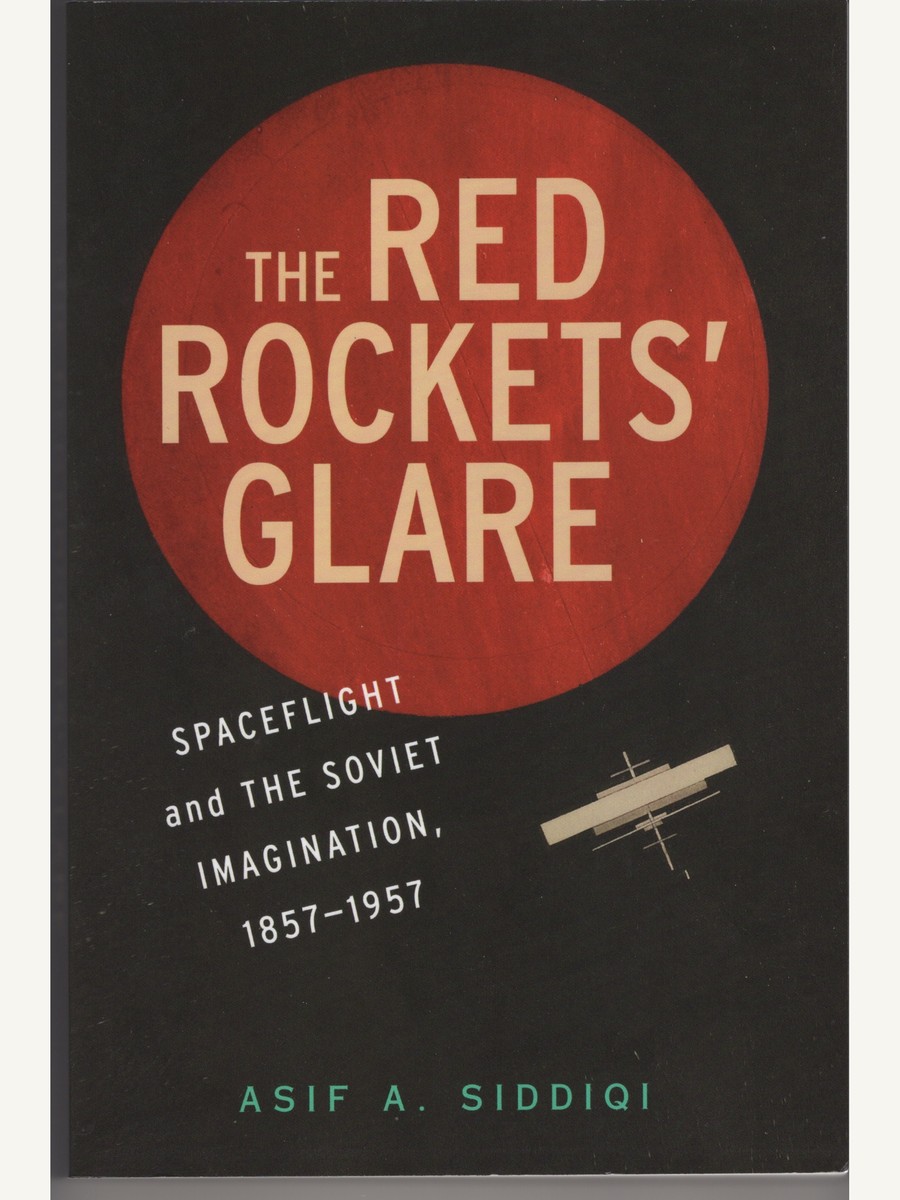
The Red Rockets’ Glare: Spaceflight and the Soviet Imagination, 1857–1957.
Cultural history of the Russian and Soviet fascination with spaceflight, tracing the idea of interplanetary travel through fiction, popular culture, and technical writing from the mid-nineteenth century to Sputnik. A companion to Siddiqi’s Challenge to Apollo (above), concerned less with hardware and policy than with the imaginative and cultural roots that produced them. Part of the Cambridge Centennial of Flight series.
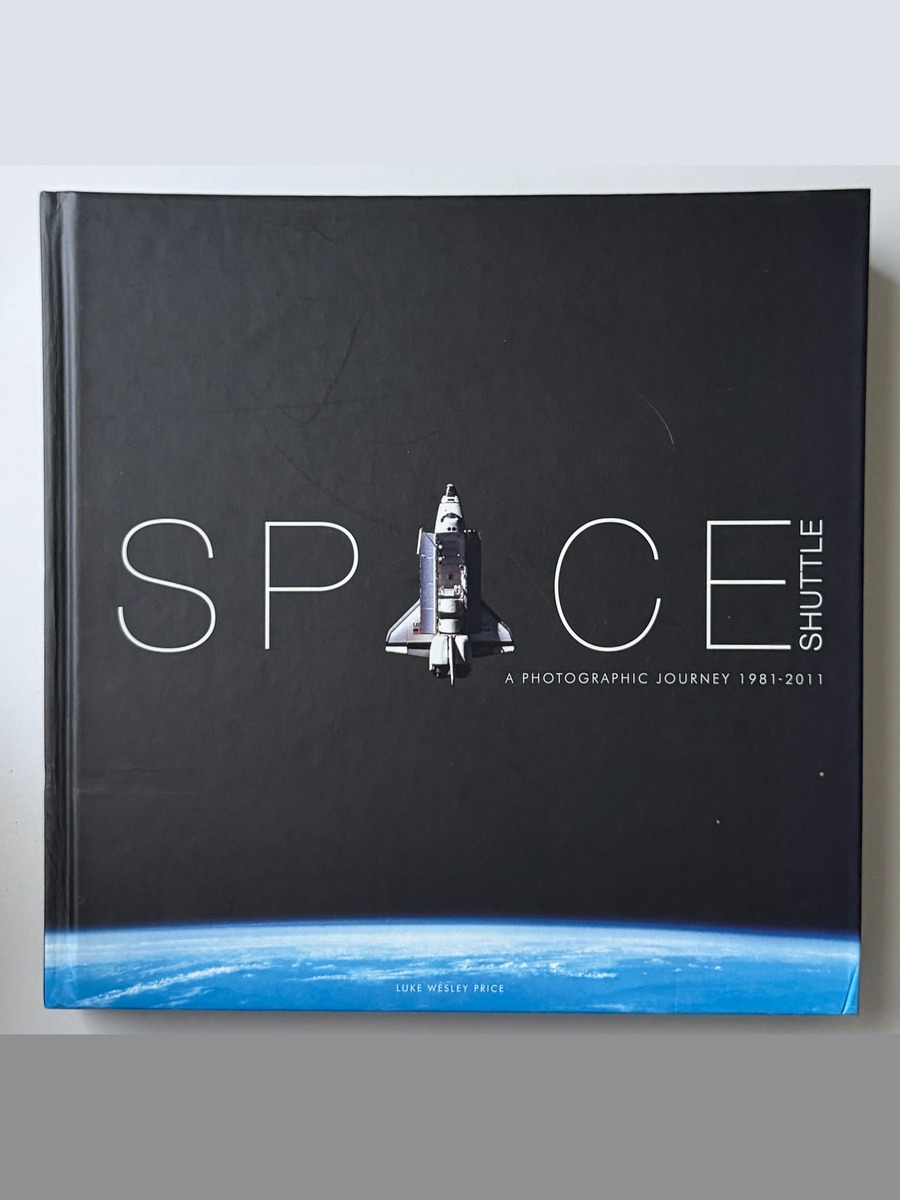
Space Shuttle: A Photographic Journey 1981–2011.
Large-format photographic survey of the Space Shuttle program by a London graphic designer, built from four years of NASA archive research and painstaking color correction of the source images, with input from shuttle veterans including Bruce McCandless. Arranged in thematic chapters from the launch pad through ascent, orbit, and landing, with mission data for STS-1 through STS-135 and a gallery of all 135 mission patches. Self-published in a limited first edition of 1981 copies worldwide — the year of the shuttle’s first flight — of which this copy is one of an inner run of 500 signed and numbered by the author, numbered 140/500. A trade edition followed in 2019 from Ammonite Press with a foreword by Christopher Ferguson, commander of the final shuttle mission, STS-135.
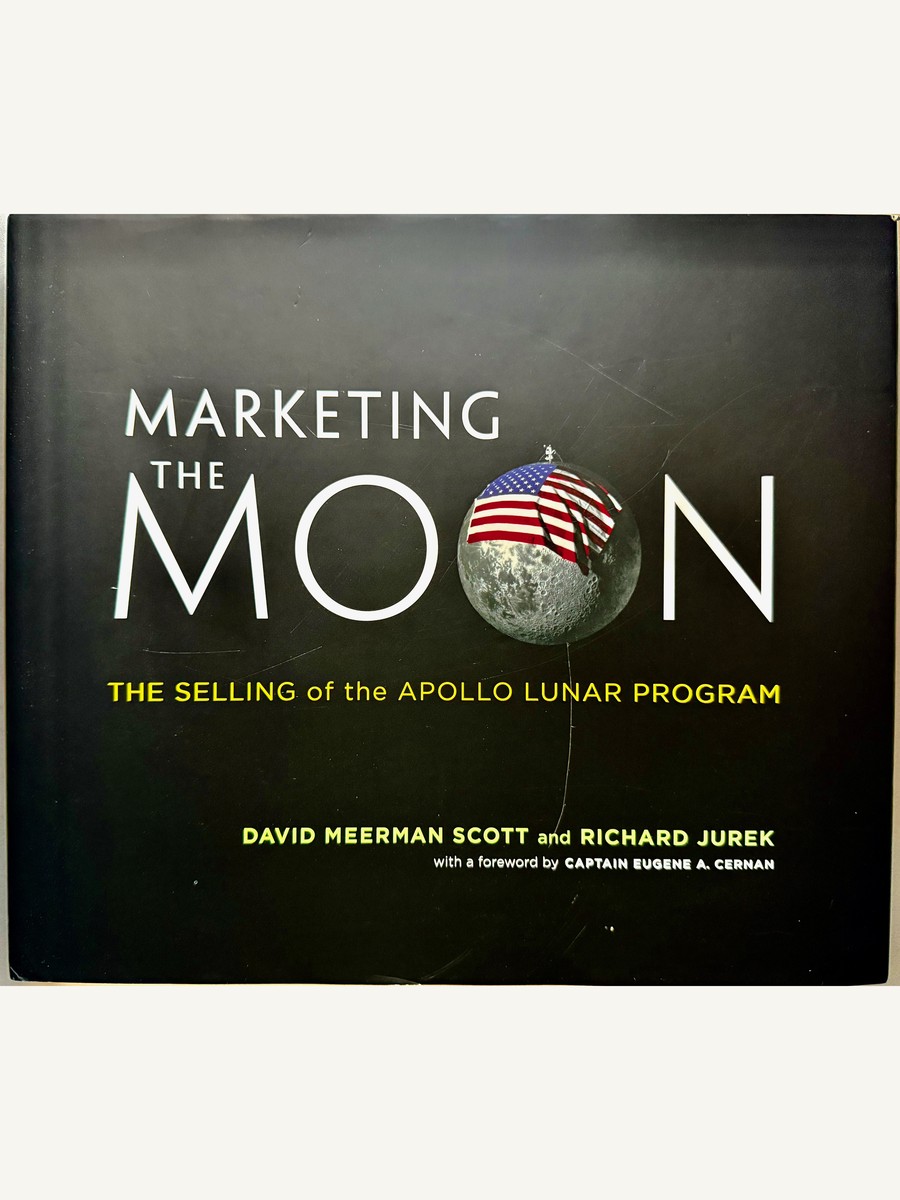
Marketing the Moon: The Selling of the Apollo Lunar Program.
History of the public-relations campaign behind Apollo — NASA’s work with advertising agencies, the television networks, and corporate sponsors to build and sustain public support for a decade-long, multibillion-dollar program. Foreword by Apollo 17’s Eugene A. Cernan, the last person to walk on the Moon.
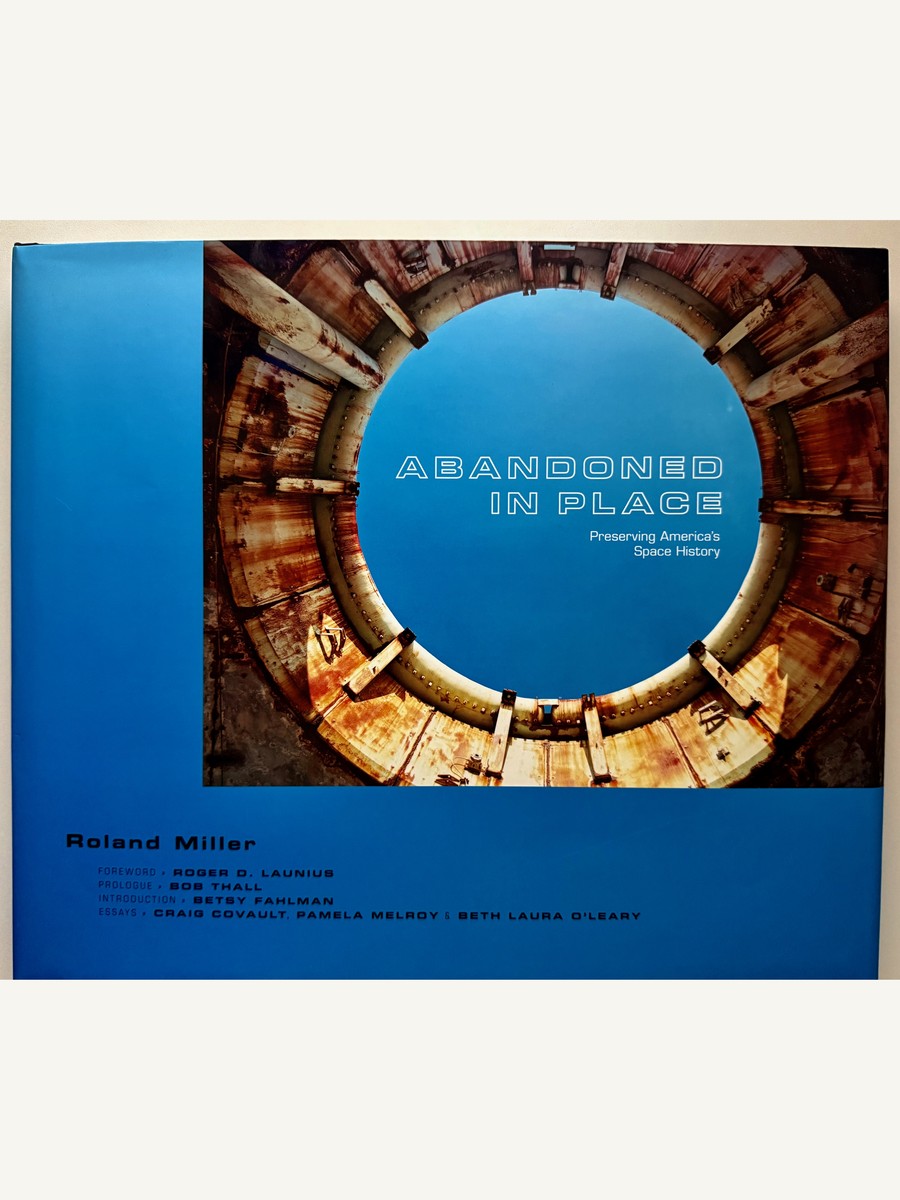
Abandoned in Place: Preserving America’s Space History.
Large-format photographs of derelict NASA, Air Force, and Army space infrastructure — blockhouses, launch towers, test stands, gantries — shot over two decades, many inside secure facilities not otherwise open to photographers. Foreword by NASA Chief Historian Roger D. Launius; essays by journalist Craig Covault, astronaut Pamela Melroy, and archaeologist Beth Laura O’Leary address the preservation questions the images raise.